


Testosterone Symptoms Dismissed as Stress
Last Updated October 2026
You have probably said it yourself. “I’m just stressed.” It’s the easiest explanation men reach for when energy drops, motivation disappears, and the bedroom starts feeling like a distant memory. But here is the part nobody mentions: low testosterone symptoms mimic everyday stress so closely that men can spend years chasing the wrong fix. They cut back on caffeine, take a vacation, try meditation, and still feel like a shell of themselves.
If that sounds familiar, it might be time to look past stress and ask what the hormones are doing. This guide walks through why low testosterone symptoms get written off, what they really look like, and where men can turn for real answers, including trusted resources like TRT Nation.
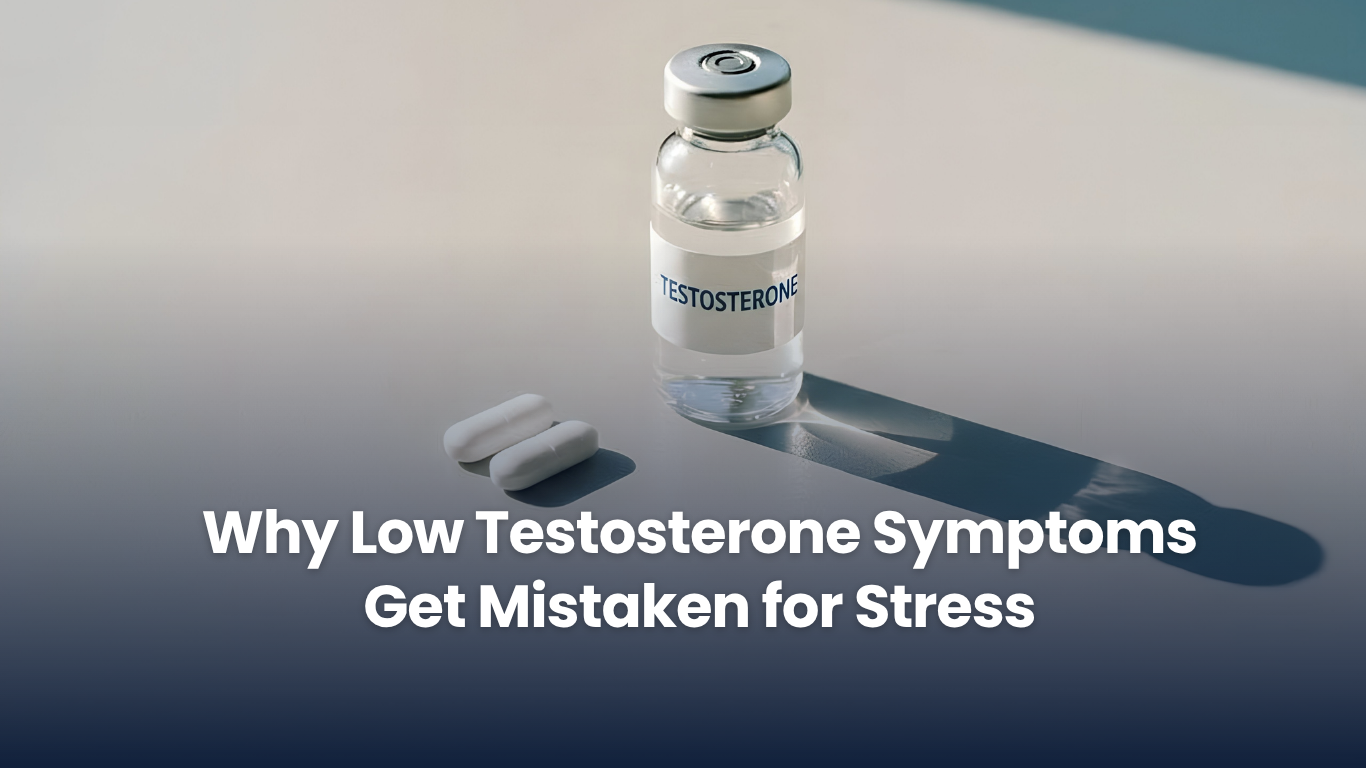
Why Low Testosterone Symptoms Get Mistaken for Stress
Stress and low testosterone symptoms overlap almost perfectly on paper. Both can cause fatigue, short tempers, restless sleep, and trouble concentrating. That overlap makes it easy for these symptoms to get lumped into “just a rough season” rather than investigated further.
Add a demanding job, family responsibilities, and constant notifications, and there is always a convenient reason to explain away how a man feels. According to Mayo Clinic, fatigue and mood changes are common markers of low testosterone, yet they are frequently attributed to lifestyle alone. This is major reason low testosterone symptoms go unaddressed for so long.
Men often reach for the same explanations before considering their hormones:
- I just need more sleep.
- Work has been a lot lately.
- I am getting older, this is normal.
- I probably just need a break.
Every one of these explanations can be true and still miss the underlying cause behind low testosterone symptoms. Here is how the overlap tends to break down:
| Symptom | Often Blamed on Stress | Linked to Low Testosterone |
| Fatigue | Yes | Yes |
| Low sex drive | Sometimes | Yes |
| Loss of muscle | Rarely | Yes |
| Irritability | Yes | Yes |
| Poor sleep | Yes | Yes |
| Weight gain | Sometimes | Yes |
The Real Signs of Low Testosterone
While stress symptoms tend to ease up once the pressure lifts, low testosterone symptoms usually stick around no matter how much rest, time off, or lifestyle adjusting a man does. According to Cleveland Clinic, the most common signs include:
- Reduced interest in sex
- Fewer spontaneous erections
- Loss of muscle mass despite regular training
- Increased body fat, especially around the midsection
- Persistent low mood or flat motivation
- Trouble sleeping through the night
- Thinning hair or slower beard growth
- Brain fog that does not improve with rest
The biggest giveaway is duration. Stress symptoms usually rise and fall with life circumstances. Low testosterone symptoms tend to stay flat and steady, showing up on good weeks and bad weeks alike.
What To Do When Low Testosterone Symptoms Do Not Go Away
The only way to know for certain what is behind low testosterone symptoms is bloodwork. Testosterone levels can be measured with a simple blood test. Men who suspect their symptoms go beyond stress can start with a hormone readiness assessment to get a clearer picture before moving forward. TRT Nation offers this as a starting point for men who want real answers instead of more guesswork.
From there, testosterone replacement therapy, often called TRT, is one option providers may discuss for men with confirmed low levels. Continue reading to learn more about what that process can look like, from initial testing through ongoing care, for men who want to read more before taking the next step. The goal is simple: stop guessing about low testosterone symptoms and start getting real answers backed by lab work and provider guidance.

Frequently Asked Questions
What are the most common low testosterone symptoms?
The most common low testosterone symptoms include low sex drive, fatigue, loss of muscle mass, and trouble concentrating. These signs often overlap with stress, which is part of why they get dismissed.
How can I tell the difference between stress and low testosterone symptoms?
Stress symptoms typically ease once the source of pressure is removed, while low testosterone symptoms tend to stay consistent regardless of circumstances. Bloodwork is the only reliable way to know for sure. The hormone readiness assessment from TRT Nation is a helpful first step toward getting clarity.
At what age do low testosterone symptoms usually start?
Testosterone levels can begin declining gradually after age thirty, though low testosterone symptoms can appear earlier or later depending on the man. Age alone does not confirm anything without testing, as noted by the Urology Care Foundation. TRT Nation works with men across different age groups to help figure out what is going on.
Can lifestyle changes fix low testosterone symptoms on their own?
Diet, sleep, and exercise support overall hormone health, but they may not fully resolve low testosterone symptoms once levels have dropped significantly. Some men need additional support beyond lifestyle changes alone. TRT Nation’s providers can help determine what combination of steps makes sense based on lab results.
How do I get tested for low testosterone symptoms?
Testing starts with a simple blood draw, usually done in the morning when testosterone levels are at their highest. A provider can review the results and discuss whether they line up with the low testosterone symptoms being experienced. TRT Nation makes this process straightforward from the very first step.