



Why Your TRT Is Causing Acne (And How to Fix It Without Quitting Testosterone)
Balance hormones, eat right, and fix lifestyle habits to clear your skin from the inside out.
Testosterone therapy (TRT) is a clinically validated treatment for men with low testosterone, offering benefits such as improved energy, mood, muscle mass, and bone density. While these effects are highly desirable, skin changes—particularly acne and increased oiliness—are common during therapy. Understanding why these changes occur and how to manage them is essential for men seeking the full benefits of TRT without compromising skin health.
This guide provides a clinically focused overview of the mechanisms behind acne on testosterone, as well as strategies for prevention and management.
How Testosterone Affects Sebum and Acne
Sebaceous glands are highly responsive to androgens such as testosterone and dihydrotestosterone (DHT). When these hormones bind to androgen receptors in sebocytes, sebum production increases. Sebum is necessary for hydration and barrier function, but excessive production can lead to clogged pores and inflammation, ultimately resulting in acne.
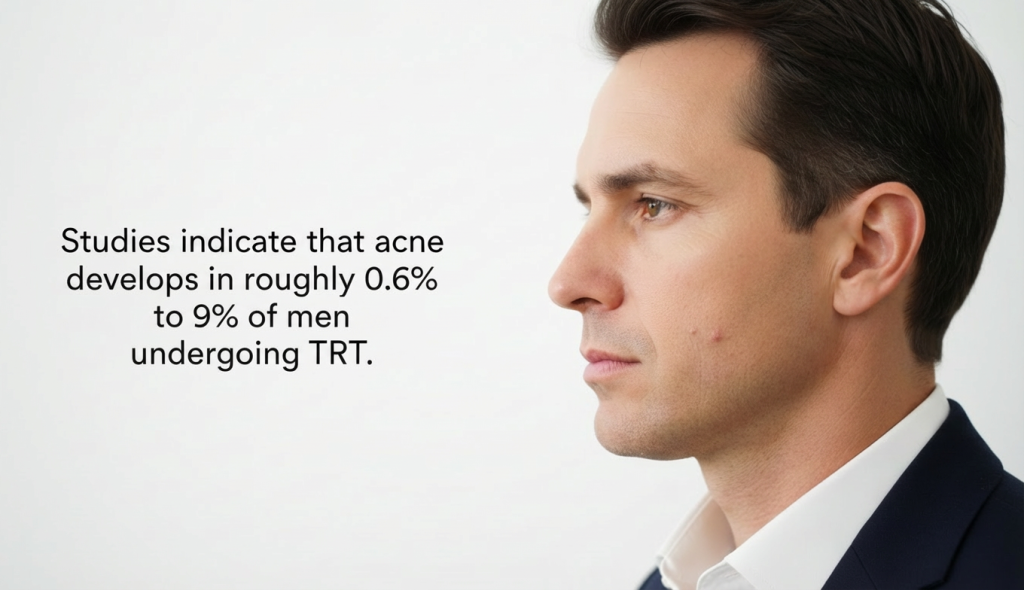
The response to testosterone is highly individual. Genetics, baseline skin health, and the balance of circulating hormones influence whether therapy triggers breakouts or promotes clearer skin. Studies indicate that acne develops in roughly 0.6% to 9% of men undergoing TRT, with injectable forms more likely to cause noticeable flare-ups due to rapid spikes in serum testosterone. Over time, sebum production often stabilizes, and some men may even notice improved skin clarity as hormone levels normalize. Understanding this physiological basis is the first step toward anticipating and managing skin changes during therapy.
Why Acne Appears Early in Testosterone Therapy
Hormonal acne typically emerges within the first three to six months of therapy, coinciding with peak serum testosterone fluctuations. Clinically, it may present as:
- Increased oiliness in the T-zone (forehead, nose, chin)
- Small red papules or pustules
- Inflammatory lesions in moderate to severe cases
The severity and duration are influenced by androgen sensitivity, genetics, and lifestyle factors such as diet, sleep, and stress. Recognizing the timing of these changes helps clinicians and patients anticipate and manage acne effectively.
Injections, Gels, Pills: Effects on Skin
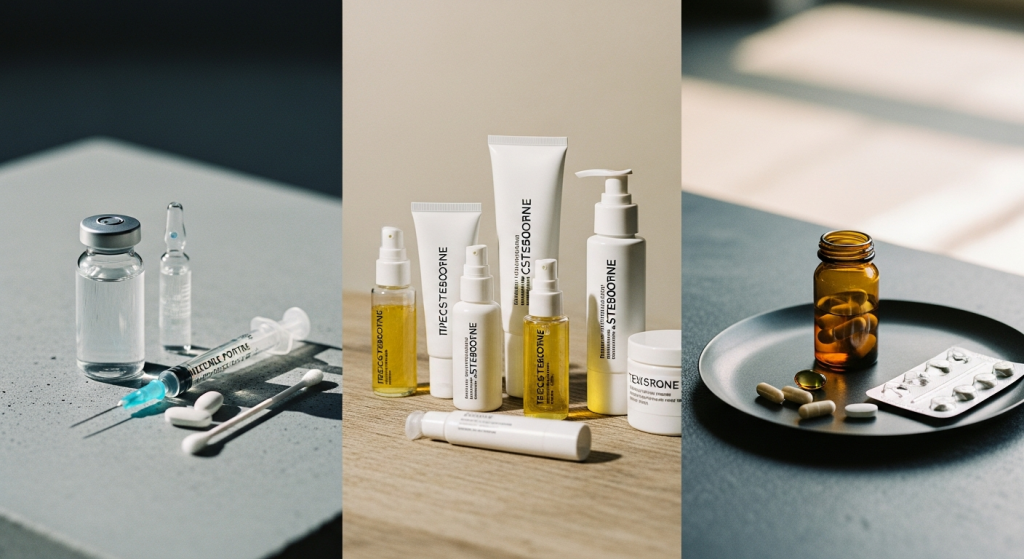
How testosterone is administered can affect both the likelihood and severity of acne. The key differences include:
- Injectable testosterone: Rapid serum spikes may trigger noticeable breakouts.
- Topical gels and creams: Slower absorption usually results in milder skin changes.
- Oral testosterone: Less common; variable absorption can lead to unpredictable acne patterns.
While topical gels and creams can cause milder skin changes, injectable testosterone is generally preferred because it provides more stable hormone levels and predictable dosing. Even with injections, acne is usually manageable with proper skincare, hormone monitoring, and lifestyle support. (TRT Nation)
Management of Acne on Testosterone Therapy
Although acne can be a challenge during TRT, it is generally manageable through a comprehensive approach. Skincare is foundational, helping regulate oil production, maintain the skin barrier, and prevent clogged pores. Gentle cleansers, non-comedogenic moisturizers, controlled exfoliation, and daily sun protection all contribute to healthier skin.
When skin changes persist, medical interventions may be necessary. Topical retinoids promote cell turnover and prevent follicular occlusion, while topical or systemic antibiotics can reduce inflammation in moderate to severe cases. Dermatologist-guided therapy ensures treatment is optimized without interrupting testosterone therapy.
Hormone monitoring complements these measures. Adjusting testosterone dosage or delivery method can help reduce flare-ups, while maintaining a balanced profile of testosterone, estrogen, and DHT supports overall skin function. Routine blood tests allow clinicians to identify whether hormonal fluctuations contribute to persistent acne.
Lifestyle factors further influence skin health. A balanced diet, adequate sleep, effective stress management, and proper hydration can reduce systemic inflammation and support barrier function. When these strategies are combined, men can create an optimal environment for clear, resilient skin during testosterone therapy.
Red Flags and When to See a Dermatologist
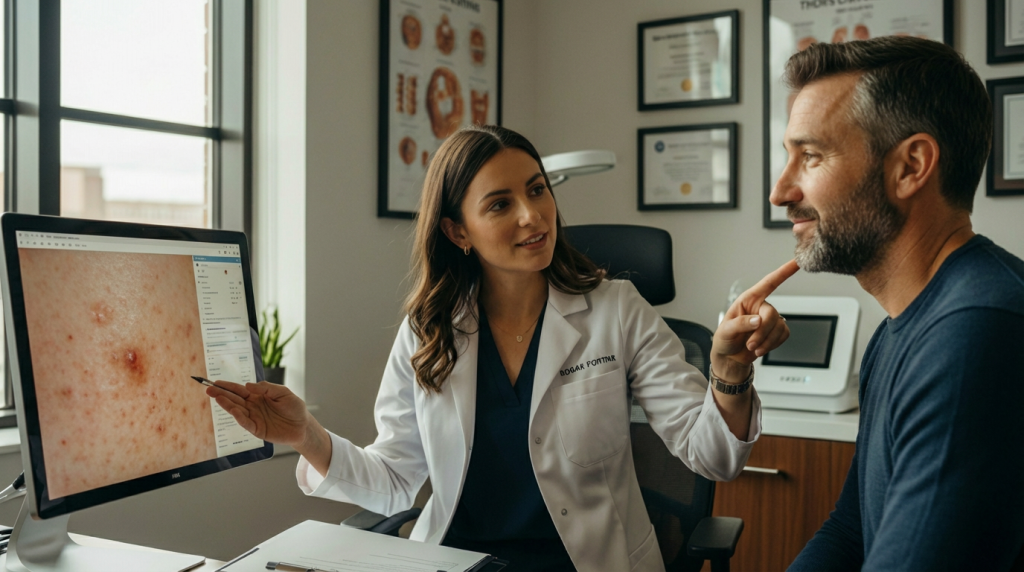
Although most acne is manageable, some cases require clinical attention. Red flags that warrant professional evaluation include:
- Severe or painful inflammation or cystic acne
- Persistent outbreaks lasting more than a few months despite consistent care
- Scarring or post-inflammatory hyperpigmentation
Consulting a dermatologist ensures targeted, effective management. In certain cases, adjustments to testosterone dose or delivery method may be necessary. Early intervention helps prevent long-term skin damage and maintain optimal skin health.

When Testosterone Improves Skin
Although testosterone can trigger acne in some men, it can also improve skin health when restored to optimal levels. Balanced testosterone often normalizes sebum production, reduces dryness, and strengthens the skin barrier. Additionally, low testosterone due to lifestyle factors may contribute to skin imbalances, which can resolve once hormone levels stabilize on therapy. Genetics, baseline skin health, diet, exercise, and stress levels all play a role in individual outcomes, emphasizing the importance of a holistic clinical approach.

Clear Skin and Confidence on Testosterone
Acne and other skin changes on testosterone therapy are generally manageable with a clinically guided, multi-pronged approach. Consistent skincare, evidence-based medical interventions, careful hormone monitoring, and lifestyle optimization form the foundation of effective management. Monitoring symptoms and consulting healthcare professionals ensures that men can maintain skin health without compromising the benefits of TRT.
In addition to managing acne, testosterone therapy can also improve skin quality in many men. Restoring low testosterone to optimal levels can normalize sebum production, reduce dryness, enhance barrier function, and promote overall skin resilience. When combined with healthy lifestyle habits, TRT may help men achieve not only clearer skin but also improved texture, tone, and hydration.
By understanding the interplay between testosterone and skin physiology, men can enjoy clearer, healthier skin, enhanced confidence, and greater overall well-being.
Disclaimer: This article is for informational purposes only and does not constitute medical advice. Always consult with a qualified healthcare provider before beginning or modifying any treatment regimen.