

How to Overcome Low Testosterone with Safe Home TRT Solutions
Low testosterone can drain your energy, dampen libido, and chip away at motivation and performance. The good news: safe home testosterone replacement therapy (TRT) options now make expert care accessible and convenience; without sacrificing medical oversight. The “best” at-home TRT solution depends on your symptoms, confirmed lab results, fertility goals, lifestyle, and risk profile. With physician-guided telemedicine, at-home lab testing or local lab draws, and medication delivered to your door, you can restore levels and quality of life safely.

Understanding Low Testosterone and Its Impact
Low testosterone (low T) is a clinical syndrome where the body doesn’t produce sufficient testosterone, confirmed by symptoms plus low blood levels. Common signs include:
- Fatigue
- low sex drive
- erectile changes
- depressed mood
- irritability
- decreased muscle mass & strength
- increased body fat
- reduced motivation
Testosterone supports core male physiology: libido and sexual function, sperm production, muscle strength, bone density, and red blood cell formation. These roles are well documented by clinical guidance on testosterone replacement therapy from Cleveland Clinic, which also notes TRT’s goals and safety monitoring needs (see Cleveland Clinic’s TRT guide).
Left untreated, low T can impair work performance, increase weight and abdominal fat, erode bone and muscle, and diminish overall quality of life. Harvard Health emphasizes that appropriate treatment should follow a careful diagnostic workup and a shared discussion of benefits and risks.
Confirming Low Testosterone: Testing and Diagnosis
A proper diagnosis requires both symptoms and laboratory evidence. Specifically, at least one early-morning testosterone measurement, since levels vary by time and day. Harvard Health underscores that a “two-morning-test” is ideal and cautions against diagnosing on a single value. It’s also encouraged to test more than just your total testosterone levels. Physicians recommend “baseline” labs to gather a full understanding of the proper diagnosis.
Typical baseline labs include total and free testosterone, prostate-specific antigen (PSA), CBC, CMP, and E2. PSA (Prostate-Specific Antigen) is a protein measured in the blood to help rule out prostate issues before starting testosterone therapy. These labs establish safety and help tailor your plan, aligning with recommendations from Cleveland Clinic’s overview of TRT care.
At-home testosterone test kits offer finger-prick convenience and quick turnaround. However, Healthline’s review of testosterone test kits notes that finger-prick assays will be less precise than traditional venous lab draws, and morning timing still matters. If a home test flags low levels, it’s still recommended to confirm with in-clinic morning labs before starting treatment.
Comparison: home testosterone test vs. lab draw
| Method | What it measures | Convenience | Accuracy | Best for | Turnaround | Notes |
| Home testosterone test | Typically total testosterone (sometimes free T via calculation) | Very high—finger-prick at home | Moderate—will be less precise than professional lab draws | Convenience, not for complete diagnosis | 2–5 days | Use for initial insight; confirm abnormal results with formal in-clinic labs |
| In-clinic lab draw | Total and free T; full baseline safety panel for accurate diagnosis needs | High—some clinics take walk ins, and results provided within a few days. | High—gold standard for diagnosis | Definitive diagnosis and ongoing monitoring | Same day to 3 days | Required to confirm low T and to monitor therapy safely |

Consulting with a Licensed TRT Clinician
Once low T is suspected, get a clinician experienced in testosterone therapy involved, telemedicine makes this easy while preserving rigorous oversight. A structured home-based program with secure visits, coordinated labs, and medication delivery supports safe, consistent care.
Your clinician will review symptoms, medical history, medications, sleep and lifestyle, and fertility plans. Because levels fluctuate, a single testosterone result is not enough for diagnosis, as Harvard Health emphasizes. Shared decision-making and patient education around goals, risks, and monitoring are essential to long-term success (see this thorough approach to treating low testosterone).
Consultation checklist
- One early-morning testosterone labs
- Baseline blood work
- Review of contraindications (prostate issues, untreated sleep apnea, heart failure, recent heart attack or stroke)
- Discussion of therapy goals, fertility plans, and delivery method fit
For a transparent, telemedicine-first approach with FDA-registered therapies and responsive support, see why an online TRT clinic like TRT Nation stands out.

Choosing the Right At-Home TRT Delivery Method
At-home TRT solutions include injections (intramuscular or subcutaneous), topical gels or creams, and oral medicine like enclomiphene. The right choice depends on dosing preference, skin sensitivity, transfer risk, privacy needs, and cost.
- Injections (IM or subcutaneous): Typically weekly or biweekly; private, reliable, and cost-effective. IM injections often provide more consistent testosterone levels than other delivery forms, especially with steady, smaller doses guided by monitoring
- Topical gels/creams: Applied daily; quick and noninvasive. Requires handwashing and precautions to avoid transfer to partners or children.
- Enclomiphene (Oral Testosterone): Stimulates LH/FSH to increase natural testosterone production; preserves sperm production, fertility-safe testosterone therapy; oral and simple; avoids injections; strong symptom relief for many. Men seeking the best testosterone replacement that won’t harm fertility; oral testosterone for men planning families (via endogenous production). Not ideal for men with primary testicular failure; requires labs to dial in dose
Comparing testosterone injection, gels, vs enclomiphene (oral testosterone)
| Method | Frequency | Pros / Lifestyle fit | Watch-outs / Side effects |
| Injection (IM or subcutaneous) | Weekly or biweekly | Private, cost-effective, steady levels | Injection-site discomfort; dose timing matters |
| Gel/cream | Daily | Noninvasive; easy to start/stop | Extreme caution, skin-to-skin transfer risk; skin irritation; read more creams transfer risks here |
| Enclomiphene | Daily oral capsule | Fertility-safe; simple oral capsules, avoids injections, strong symptom relief for many | Not ideal for men with primary testicular failure; requires labs to dial in dose |
For additional context on testosterone therapy options and schedules, see TRT Nations’ Best Low Testosterone treatments for 2026.
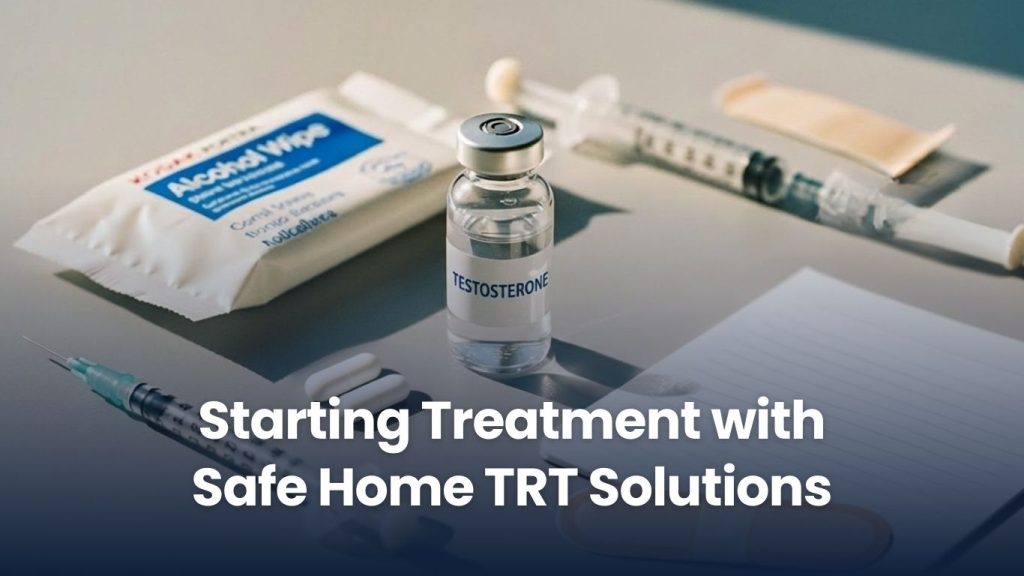
Starting Treatment with Safe Home TRT Solutions
A safe, step by step approach below to keep you on track and minimize risk.
- Document symptoms and medical history, including future fertility plans.
- Complete baseline labs: Total testosterone levels (potentially PSA; depends on age), CBC, CMP, and E2.
- Meet via telehealth or in-person for a clinician evaluation.
- Choose a delivery method that fits your lifestyle, goals, and risk profile.
- Begin your personalized plan and adhere to scheduled monitoring and follow-up labs.
Before starting, your clinician will screen for contraindications. TRT is not appropriate for men with active prostate or breast cancer, severe untreated sleep apnea, uncontrolled heart failure, very high hematocrit, or recent major cardiovascular events; careful discussion is crucial (see Harvard Health guidance and Cleveland Clinic’s TRT overview).
If you want a streamlined, clinician-led start-to-finish process: labs, video consults, and home delivery, explore the future of home TRT at TRT Nation.

Monitoring and Adjusting Your Therapy Plan
Monitoring is where safe home testosterone replacement therapy succeeds. Regular follow-up labs track testosterone, hematocrit/hemoglobin, PSA, and estrogen levels. Your clinician adjusts dose or delivery method based on symptoms, side effects, and lab.
Consistent communication and scheduled labs reduce risks such as polycythemia (high red blood cell count), mood changes, or cardiovascular strain. Risks highlighted by Harvard Health. Structured home-based TRT with telemedicine monitoring can effectively restore health and quality of life for properly selected patients, but ongoing lab follow-up remains essential.
What to track during TRT
- Energy, mood, libido, erectile function, sleep quality
- Body weight, waist circumference, training capacity and recovery
- Blood pressure and heart rate
- Labs: total/free testosterone, PSA, estradiol (per clinician plan)
- Any side effects (acne, edema, irritability, changes in urination or sleep)

Supporting TRT with Lifestyle and Natural Strategies
Lifestyle amplifies results and sometimes lowers medication needs. Weight management, resistance and aerobic exercise, sleep optimization, and moderating alcohol and tobacco can all improve testosterone dynamics and cardiometabolic health. Most testosterone production occurs during deep sleep and that poor sleep is linked with lower levels.
Action steps that work alongside at-home TRT solutions
- Prioritize 7–9 hours of quality, consistent sleep; address snoring or sleep apnea.
- Train with both resistance and aerobic work 3–5 days per week.
- Reduce alcohol (≤2 drinks/day) and avoid tobacco/nicotine.
- Emphasize protein, fiber, and whole foods; manage visceral fat.
- Minimize endocrine disruptors when possible (e.g., avoid BPA-lined plastics; be mindful with pesticides).
It’s about having a blended plan; medical therapy plus lifestyle choices.

Maintaining Fertility During Testosterone Therapy
TRT typically suppresses testicular function, reducing sperm production and potentially impacting fertility while on therapy; this is a predictable pharmacologic effect. If you’re planning a family, discuss options like enclomiphene or TRT + HCG treatments before starting.
Fertility-preserving strategies may include medications that stimulate your own testosterone and sperm production, such as human chorionic gonadotropin (HCG) or selective estrogen modulators like enclomiphene, under a licensed provider’s care.
Testosterone and fertility: fast facts
- HCG and enclomiphene citrate are medical options clinicians may use to support testosterone and spermatogenesis.
Family planning with TRT: a simple path
- State your paternity goals upfront.
- Consider fertility-friendly regimens (e.g., HCG or enclomiphene) if appropriate.
- Reassess semen parameters periodically with your clinician.
- If actively trying to conceive, your team may pause or modify TRT to optimize sperm counts.

Frequently Asked Questions About Safe Home TRT Solutions
What is testosterone replacement therapy (TRT) and when is it recommended?
TRT uses injectable, topical, implantable, or other medications to restore clinically low testosterone confirmed by symptoms and lab testing. It’s recommended after a clinician reviews your health profile and labs verify deficiency.
Are there alternatives to traditional TRT?
Yes. Agents such as enclomiphene can stimulate natural testosterone production and may suit men prioritizing fertility or minimizing certain side effects.
What lifestyle changes can naturally increase testosterone?
Weight reduction, strength training, better sleep, stress management, and limiting alcohol and tobacco can support healthy testosterone and complement medical therapy.
Which supplements may help support testosterone?
Evidence is mixed, but vitamin D, zinc, magnesium, fenugreek, and ashwagandha may offer modest benefits; they should not replace diagnosis or clinician-guided care.
What should I know before starting at-home TRT?
Confirm your diagnosis with lab results and discuss a monitored plan with an experienced clinician through a reputable telemedicine program.
When should I seek medical advice?
If you have symptoms of low T or are considering hormone therapy, consult a qualified clinician to evaluate underlying causes and outline safe, evidence-based options.