


Injectables or Enclomiphene? The Best Low T Options for 2026
2026 is shaping up to be the year of personalized, practical testosterone replacement therapy. If you’re fighting fatigue, a fading sex drive, muscle loss, or brain fog, the best testosterone therapy for low T symptoms will be the one that matches your biology, your schedule, and your long-term goals. Clinically, low testosterone (male hypogonadism) is a combination of symptoms plus consistently low morning serum testosterone confirmed on repeat testing, often with additional labs to pinpoint cause and guide treatment Mayo Clinic’s male hypogonadism guidance. Below, we compare today’s highest-value options—injectables, fertility-preserving alternatives, and the rise of telemedicine. So you can weigh effectiveness, safety, cost, and convenience with clear expectations and proper monitoring.
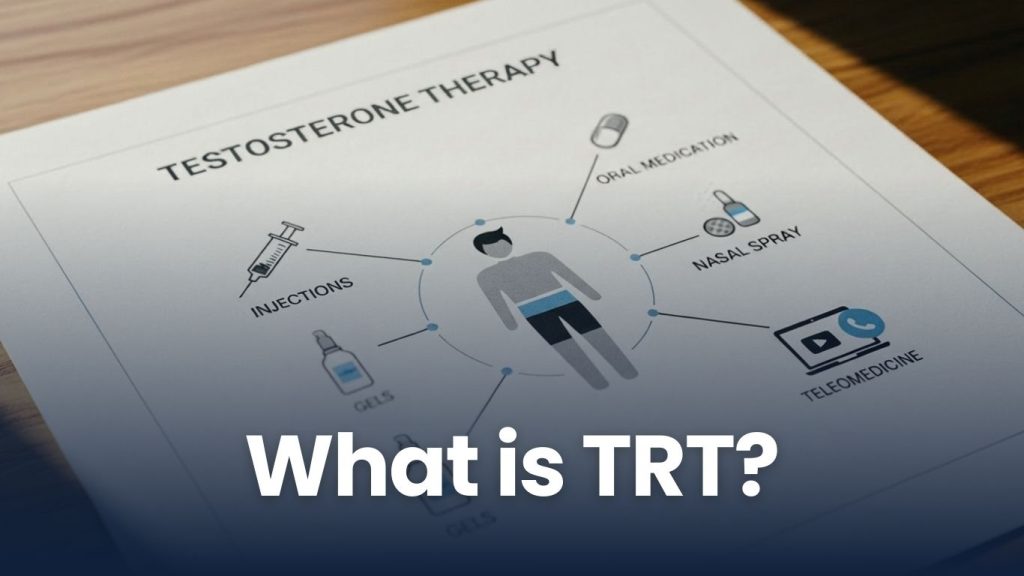
Before you choose, get evaluated. Understand what TRT is and isn’t. Testosterone replacement therapy (TRT) is a physician-prescribed treatment for men with clinically confirmed testosterone deficiency accompanied by symptoms. The goal of TRT is not enhancement, but restoration. It aims to bring testosterone levels back into a healthy, physiologic range under medical supervision.
When appropriately prescribed and monitored, TRT can help improve symptoms commonly associated with low testosterone, including reduced energy, diminished sexual function, low mood, impaired concentration, and loss of lean muscle mass. Changes in body composition, mental clarity, and overall vitality typically occur gradually and vary by individual.
While testosterone levels naturally decline with age, often beginning in the early 30s, low testosterone is not exclusively an aging issue. Some men experience deficiency earlier in life due to medical, genetic, or endocrine factors. In these cases, treatment decisions are based on laboratory findings, symptoms, and long-term health considerations rather than age alone.
Left unaddressed, chronically low testosterone has been associated with adverse metabolic and cardiovascular outcomes, as well as reduced quality of life. For men who meet diagnostic criteria, TRT can be a tool to restore function and stability. It is not intended to turn back the clock, but to support physical and cognitive capacity over time. For more details visit in this quick primer: What Is TRT?

Injectable Testosterone Therapy
Injectable testosterone cypionate or enanthate remains the backbone of low T care because it’s effective, flexible, and typically the most affordable option for medically confirmed hypogonadism. Most regimens are given once weekly or every one to two weeks, with doses individualized within a common clinical range (e.g., 75–200 mg weekly or 150–200 mg every two weeks), titrated to target levels and symptom relief under physician oversight Cleveland Clinic overview of TRT. Medication costs alone often run about $30–$80 per month, though total costs vary by pharmacy, needles/syringes, and monitoring.
Injectable testosterone therapy involves periodic hormone shots that restore healthy levels by directly supplementing your body’s supply—often improving energy, mental sharpness, and sexual function.
Quick view of what to expect:
| Injection frequency | Results timeline | Key risks and notes |
| Weekly or every 1–2 weeks (site: gluteal, thigh, or deltoid) | Energy, mood, and libido often improve within several weeks; body composition and bone benefits emerge over 3–6 months (TRT effect milestones) | Fertility suppression (lower sperm count), increased red blood cell count (hematocrit), acne/oiliness, potential mood changes; requires regular labs and dose adjustments Harvard Health on treating low T |
Why choose it:
- Most cost-effective pathway with predictable symptom relief
- Easy dose adjustments and wide clinical experience behind it
- Home self-injection can reduce clinic visits after training
Potential drawbacks:
- Needle aversion, injection-site soreness
- Peaks and troughs if dosing is infrequent or not tailored
Enclomiphene for Fertility Preservation
Standard TRT can suppress sperm production—problematic if you want children. Enclomiphene, a selective estrogen receptor modulator (SERM), takes a different route by signaling the testes to increase natural testosterone production while helping maintain spermatogenesis. In practice, many clinicians use SERMs (e.g., clomiphene or enclomiphene) to support testosterone and preserve fertility in select men with secondary hypogonadism Cleveland Clinic on low testosterone. Typical costs run around $100–$200 per month.
Enclomiphene is a SERM prescribed to stimulate natural testosterone synthesis, helping maintain sperm production in men with low T.
How a fertility-first plan usually works:
| Step | What happens |
| 1. Baseline assessment | Morning testosterone (x2), LH/FSH, prolactin, estradiol, SHBG; semen analysis if fertility is a priority |
| 2. Shared decision-making | Review goals (symptom relief plus fertility), discuss SERM vs. TRT trade-offs |
| 3. Initiation | Start enclomiphene/clomiphene; lifestyle optimization (sleep, training, weight, alcohol) |
| 4. Monitoring | Recheck testosterone, hematocrit, estradiol at 4–8 weeks; semen analysis as indicated |
| 5. Adjustment | Titrate dose or transition strategies based on symptoms, labs, and fertility targets |
| 6. Long-term plan | Ongoing monitoring; consider transition to TRT after family planning if appropriate |
Best fit: Younger men, those with secondary hypogonadism, or anyone wishing to maintain or improve fertility while addressing symptoms.
Natural Testosterone Boosters and Supplements
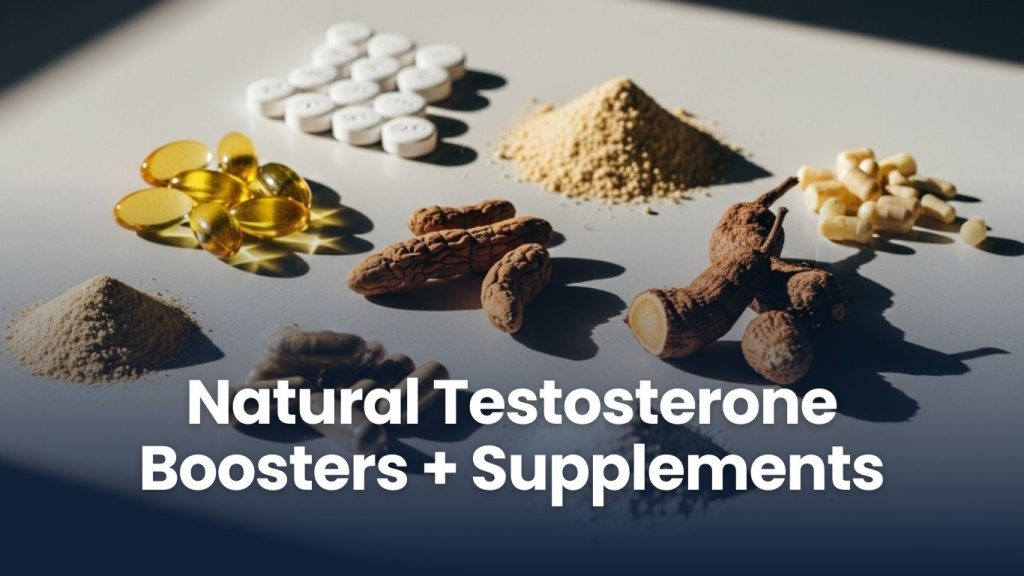
For men with borderline low T or mild age-related decline—not proven hypogonadism—supplements can offer modest support. Popular options blend ingredients like tongkat ali, fenugreek, ashwagandha, zinc, vitamin D, and magnesium. Consumer reviewers often praise formulas such as Testosterone Support by Innerbody Labs and TestoPrime for dosing transparency and ingredient profiles, though results vary and evidence quality differs by ingredient Innerbody’s review of testosterone boosters.
Testosterone boosters are over-the-counter supplements intended to support endogenous production; they aren’t substitutes for medical care in true hypogonadism and shouldn’t delay evaluation if you have significant symptoms.
What to look for:
- Clinically relevant doses and full label transparency
- Human data on key ingredients (not just animal studies)
- Money-back guarantees and third-party testing
- Realistic claims; no supplement will replicate prescription TRT in men with established hypogonadism

Online Telemedicine Clinics for Testosterone Therapy
Telemedicine has removed many barriers: faster evaluations, home labs, clear pricing, and pharmacy-shipped medications under licensed physician oversight. Platforms like TRT Nation offer nationwide access, secure virtual consultations, and transparent, flat-rate membership models with ongoing support, making supervised TRT more convenient and affordable for men who prefer at-home care. Learn how telehealth TRT works and who qualifies in our guide: Is TRT the Right Fit for Me?
Online TRT clinics use telehealth technology to connect men with licensed providers, prescription therapies, and monitoring—reducing wait times and in-person visits while emphasizing FDA-standard sourcing and lab-driven care.
Choosing a clinic: what matters most
- Medical oversight: Board-certified providers, evidence-based protocols, scheduled labs (testosterone, hematocrit, PSA)
- Transparency: Clear pricing, what’s included (labs, follow-ups), and medication sources
- Access: Home lab kits, fast shipping, responsive patient support
- Fit: Ability to tailor therapy (injectables, oral TU, pellets, intranasal) to your goals and lifestyle
Clinic models at a glance:
| Model | Typical cost transparency | Access and convenience | What’s included (varies by clinic) |
| Telemedicine TRT (TRT Nation-style) | High: Flat-rate and bundled services | Highest: Convenient labs, video visits, home delivery | Provider oversight, labs, medication, supplies, follow-ups |
| Local specialty clinic (urology/endocrinology) | Moderate: Visit-based billing | Moderate: In-person visits and procedures | Specialist consults, in-office injections, procedures (e.g., pellets) |
| Primary care | Variable | High for general care; variable TRT expertise | Baseline evaluation; may refer to specialists or telehealth TRT |
Pro tip: Regardless of setting, demand outcome tracking and safety labs. A well-run program will schedule monitoring and adjust therapy to your data, not just your symptoms.
Frequently Asked Questions
What are the most effective testosterone therapy options for symptom relief?
The most effective options include injectable testosterone or oral testosterone — best chosen by matching your labs, lifestyle, and goals with a clinician’s guidance.
What are the common risks and side effects of testosterone replacement therapy?
Common risks include reduced fertility, increased blood thickness (hematocrit), acne/oiliness, and potential blood pressure effects with some formulations; regular lab monitoring is essential.
How long does it take to notice improvements with testosterone therapy?
Many men notice energy, mood, and libido changes within weeks, while muscle, strength, and bone density typically improve over three to six months.
Can testosterone therapy affect fertility and how can that be managed?
Yes, standard TRT can suppress sperm production; consider fertility-preserving strategies like enclomiphene or coordinate with a specialist when family planning is a goal.