


10 Essential Foods for an Effective TRT Meal Plan
A great meal plan for testosterone replacement therapy isn’t exotic; it’s strategic. The key is building your plate around lean proteins, healthy fats, fiber-rich carbohydrates, and micronutrient-dense produce. This combination supports muscle retention, metabolic health, and cardiovascular function. Diets that emphasize whole foods, olive oil, fish, and plants, like Mediterranean style eating, consistently rank at the top for overall and heart health, making them ideal for men on TRT.
Use the 10 foods below as your core grocery list and rotate them through meals to maintain steady energy, optimize recovery, and help your therapy work at its best.
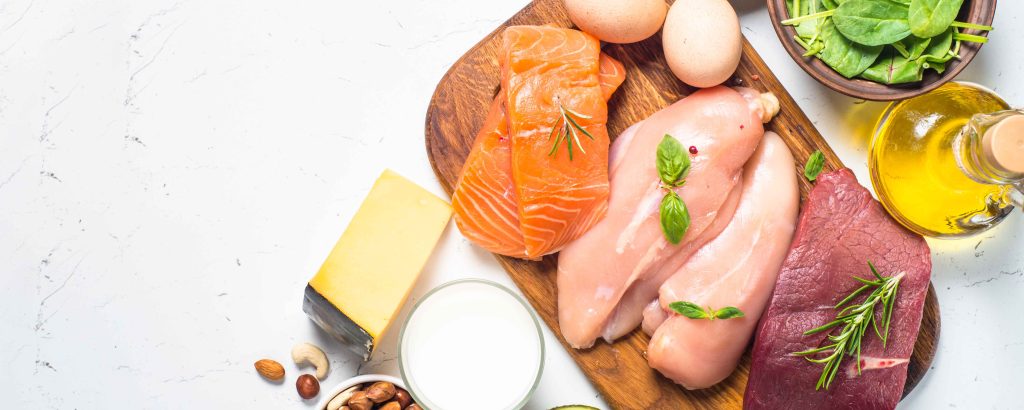
TRT Nation’s Recommended Lean Protein Sources
Protein is foundational for preserving lean mass, repairing tissue after training, and maintaining metabolic rate, all key targets for men on TRT. Lean protein refers to protein-dense foods with minimal saturated fat, making it easier to hit your protein goal without overshooting calories. Prioritize poultry, seafood, and other low-fat sources, while including fatty fish like salmon for its omega-3s, which support heart health and lower inflammation.
Top protein options include:
- Chicken breast, skinless: ~26 g protein, ~3 g fat, B vitamins, selenium
- Turkey breast, skinless: ~25 g protein, ~1–2 g fat, B vitamins
- Salmon (Atlantic): ~23 g protein, ~10 g fat, omega-3s, vitamin D
- Tuna (yellowfin): ~26 g protein, ~1 g fat, omega-3s
- 90% lean ground beef: ~22 g protein, ~9 g fat, iron, B12
- Greek yogurt, ¾ cup (2%): ~17 g protein, ~4 g fat, calcium, probiotics
How to use them: rotate grilled chicken or turkey at lunch, salmon or tuna at dinner 2–3 times per week, and Greek yogurt as a high-protein snack or breakfast base.
Eggs for Hormone Support and Muscle Health
Beyond general protein, eggs offer another versatile source that also supports hormone health. Eggs deliver high-quality protein with a complete amino acid profile plus choline, B vitamins, and healthy fats. Their cholesterol content is a precursor for steroid hormones, including testosterone, making eggs a pragmatic staple for men on TRT when included within a balanced diet. Dietary cholesterol is a type of fat found in animal-based foods, necessary for hormone production and cell health. Most healthy adults can include eggs regularly as part of heart-smart eating patterns, according to Harvard’s overview of eggs and cardiovascular risk.
Quick ways to enjoy eggs:
- Hard-boiled for grab-and-go protein
- Veggie omelets
- Scrambled eggs in breakfast tacos
Tip: If you’re concerned about cholesterol, combine one whole egg with extra egg whites to keep total fat modest while preserving protein.

Leafy Greens Rich in Magnesium and Nutrients
While protein builds muscle, micronutrients in leafy greens help optimize hormone function and overall recovery. Spinach, kale, Swiss chard, and arugula supply magnesium, folate, vitamin K, and polyphenols that support training, blood pressure, and overall health. Magnesium is an essential mineral that supports nerve function, muscle health, and hormone production. Observational research links adequate magnesium with healthier testosterone status, particularly in men who are insufficient.
Easy ways to add greens:
- Blend a handful into smoothies
- Build large lunch salads
- Sauté with garlic and olive oil
To further support testosterone and overall health, include healthy fats from nuts, seeds, and avocados.
Nuts and Seeds as Healthy Fat and Zinc Sources
Almonds, walnuts, pistachios, pumpkin seeds, and flax or chia deliver a potent mix of monounsaturated and omega-3 fats, plant protein, fiber, and minerals. Zinc is a trace mineral vital for immune health and testosterone synthesis, and pumpkin seeds are a convenient source. Monounsaturated-rich nuts and seeds also support cardiometabolic health emphasized in top-ranked eating patterns.
Suggested portions:
- Almonds or pistachios: 1 ounce (about a small handful)
- Walnuts: 1 ounce (rich in ALA omega-3s)
- Pumpkin seeds: 2 tablespoons (great on oats or salads)
- Flax or chia seeds: 1–2 tablespoons (stir into yogurt or smoothies)
Aim for 1–2 small servings daily, adjusting for calorie needs and body-composition goals.
Cruciferous Vegetables for Estrogen Balance
Vegetables also play a role in estrogen balance, which is important for men on TRT. Broccoli, cauliflower, Brussels sprouts, cabbage, and bok choy contain glucosinolates that break down into compounds such as indole-3-carbinol and DIM, which support healthy estrogen metabolism. While TRT focuses on optimizing testosterone, maintaining balanced estrogen helps men feel and perform better.
Harvard’s cruciferous vegetables overview notes these compounds’ role in supporting detoxification pathways relevant to hormone processing.
Enjoy them roasted, grilled, steamed, or stir-fried to anchor lunches and dinners.

Avocados and Their Role in Hormone Health
Avocados provide fiber, potassium, and vitamin E alongside heart-friendly fats that support cellular function. Monounsaturated fats, found in foods like avocados and olive oil, support heart and hormone health. Combining avocado with protein at meals can improve satiety and keep energy steady, making it an ideal pairing for training days.
Ways to enjoy:
- Slices on whole-grain toast with eggs
- Diced into grain bowls
- Blended into smoothies for creaminess without added sugar
Forbes’ best-diets analysis consistently highlights avocado as a sustainable, whole-food fat source.
Berries for Antioxidants and Circulation
Blueberries, strawberries, raspberries, and blackberries are rich in polyphenols that combat oxidative stress and support vascular health, key for recovery, sexual function, and overall vitality. Antioxidants are compounds that neutralize free radicals, protecting cells from damage and supporting recovery and hormone function.
Ways to include berries:
- Breakfast parfaits
- Post-workout smoothies
- Simple dessert with Greek yogurt
As consumer data shows, “protein and plants remain a top trend,” making berries an easy daily win within a TRT-friendly pattern.
Olive Oil to Support Testosterone and Reduce Inflammation
Healthy fats like olive oil also contribute to hormone support and reduced inflammation. Extra-virgin olive oil is central to Mediterranean style eating, which is tied to superior cardiovascular outcomes and lower systemic inflammation. Its monounsaturated fats and polyphenols make it a smart choice for dressings, drizzling over vegetables, and light sautéing.
Quick tips for choosing quality olive oil:
- Choose extra-virgin, cold-extracted
- Look for a harvest date and use within 12 to 18 months
- Buy in dark glass and store away from heat and light
- Favor oils with a peppery finish (sign of higher polyphenols)
Whole Grains for Sustained Energy and Metabolic Health
Whole grains steady blood sugar, deliver fiber for gut health, and provide B vitamins and minerals that support training and recovery. Complex carbohydrates are long-chain sugars found in whole foods that offer gradual energy release and promote gut health. Patterns that emphasize intact grains consistently outperform refined-carb diets for weight and cardiometabolic management.
Examples:
- Quinoa: 5 g fiber, 8 g protein per cup, magnesium, iron
- Oats: 4 g fiber, 6 g protein, beta-glucan, iron
- Farro: 5–6 g fiber, 7 g protein, zinc, magnesium
- Pearled barley: 6 g fiber, 4 g protein, beta-glucan
- Brown rice: 3–4 g fiber, 5 g protein, selenium, magnesium
Tip: Pair these grains with lean protein and vegetables to build balanced, high-satiety meals.

Legumes for Plant-Based Protein and Fiber
Whole grains provide sustained energy and fiber and pairing them with plant-based proteins like beans and lentils completes a balanced TRT-friendly plate. Beans, lentils, and chickpeas offer a cost-effective mix of plant-based protein and soluble fiber that supports appetite control, gut health, and weight management, factors that amplify TRT benefits. Plant-based proteins come from non-animal sources and provide essential amino acids for muscle growth and repair.
Practical ideas:
- Black bean and corn salad
- Turkey-and-bean chili
- Red lentil soup with whole-grain toast
As mainstream rankings emphasize, fiber-forward, whole-food choices like these not only support overall health but also complement the muscle-building and metabolic benefits of a TRT-focused nutrition plan.
Ready to optimize your nutrition for TRT? Speak with a trusted physician at TRT Nation to create a personalized plan that fuels your results safely and effectively.
Frequently Asked Questions
What are the best protein sources for men on TRT?
Chicken, turkey, eggs, fish such as salmon or tuna, and plant options like beans and lentils provide complete or complementary amino acids to support muscle and recovery.
Which healthy fats most effectively support testosterone production?
Monounsaturated fats from olive oil and avocados, plus omega-3s from fatty fish and seeds, support hormone health while reducing inflammation.
How do cruciferous vegetables benefit hormone balance during TRT?
Compounds in broccoli, Brussels sprouts, and cauliflower support estrogen metabolism, helping maintain a favorable testosterone–estrogen balance.
Can I build a full meal plan around these 10 essential foods?
Yes, rotate these proteins, fats, grains, and vegetables across meals to hit protein targets, fiber goals, and micronutrient needs consistently.
Should I limit certain foods to avoid lowering testosterone or increasing estrogen?
Limit ultra-processed foods, excess sugar, and high-saturated-fat items, which can impair metabolic health and negatively impact hormone balance.
References
Havard Health: “Eggs, protein, and cholesterol: How to make eggs part of a heart-healthy diet” Available here
National institutes of Health: “Magnesium” Available here
The Nutrition Source: “Science of Flavor: Cruciferous Vegetables” Available here
Forbes: “Best Foods for Weight Loss, According to Experts” Available here