


Testosterone Replacement Therapy After 50: What Actually Happens (And What Doesn’t)
Understanding Age-Related Testosterone Decline: The Reality Behind the Numbers
If you’re researching testosterone therapy in your 50s or 60s, you’re probably asking practical questions, not looking for miracle solutions.
Can this help with the fatigue that doesn’t improve with rest? Will it make a difference for sexual function that’s become unreliable? Is it worth the cost and medical consultations?
These are the right questions. And they deserve answers that acknowledge both the potential benefits and the limitations.
Testosterone levels naturally decline as men age. This isn’t a deficiency or failure, it’s a predictable physiological change that begins gradually in the 30s and becomes more noticeable after 50.

What Causes Low Testosterone in Men Over 50?
Age-related testosterone decline happens for several interconnected reasons:
- Natural aging of the testes and pituitary gland
- Chronic stress and consistently poor sleep quality
- Increased body fat and insulin resistance
- Reduced physical activity and muscle loss
- Certain medications, including opioids and corticosteroids
- Underlying health conditions like diabetes and metabolic syndrome
The result isn’t usually one obvious symptom. Instead, men describe a gradual erosion: energy that never fully returns, strength that requires more effort to maintain, mental sharpness that feels dulled, and sexual confidence that’s less predictable.
Understanding that this is physiology, not personal weakness, is the first step toward making an informed decision.
What to Realistically Expect From Testosterone Replacement Therapy
Testosterone therapy works slowly. Anyone promising rapid transformation is misrepresenting how TRT actually functions in the body.

TRT Timeline: When Men Notice Changes
Based on clinical evidence and patient reports, here’s what a realistic timeline looks like:
Weeks 3–6: Early Improvements
- More consistent energy throughout the day
- Improved sleep quality and depth
- Mood stabilization—less flatness or irritability
- Reduced brain fog
Weeks 6–12: Functional Changes
- Gradual improvement in libido and sexual responsiveness (not urgency)
- Better mental clarity and sustained focus
- Improved exercise recovery and reduced post-workout fatigue
- Modest reduction in joint discomfort
Months 3–6: Physical and Psychological Benefits
- Increased strength when combined with resistance training
- Improved body composition (modest fat loss, better muscle retention)
- Enhanced overall confidence and motivation
- More consistent sexual function
Not every man experiences all these changes. Response varies based on baseline testosterone levels, overall health status, lifestyle factors, and proper dosing.
“What If I Don’t Feel Anything?”
This is one of the most common, and rarely voiced, concerns men have about starting TRT.
The honest answer: Some men don’t respond dramatically to testosterone therapy, especially if:
- Their symptoms aren’t primarily driven by low testosterone
- Their baseline levels aren’t significantly below normal
- Other health factors (sleep disorders, depression, thyroid issues) are the primary problem
- Dosing or delivery method isn’t optimized
This is why proper diagnosis, realistic expectations, and ongoing monitoring matter. TRT isn’t a stimulant or performance enhancer. It’s hormone restoration for men who are genuinely deficient.
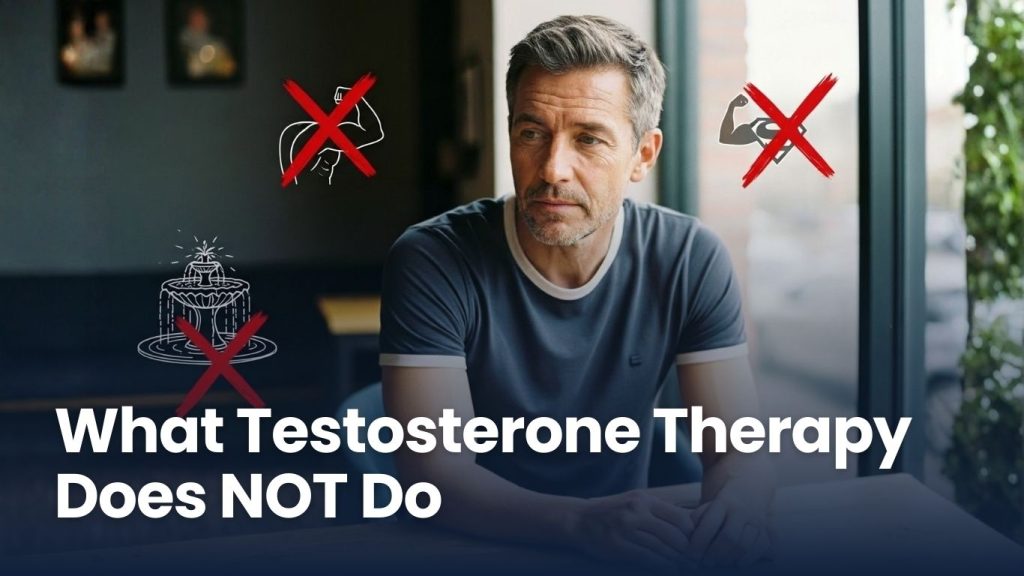
What Testosterone Therapy Does NOT Do
Setting clear boundaries on what TRT cannot achieve is critical for making a grounded decision.
Testosterone replacement therapy does not:
- Reverse the aging process or restore your 25-year-old body
- Replace the need for quality sleep, proper nutrition, or regular exercise
- Automatically solve relationship or emotional issues
- Repair decades of metabolic damage from poor lifestyle habits
- Create motivation or discipline where none exists
- Guarantee results regardless of individual biology
TRT supports the body you have now, when combined with appropriate lifestyle factors. It doesn’t undo decades of accumulated health impacts or substitute for foundational wellness practices.

Testosterone and Heart Health: Addressing Cardiovascular Concerns
Concerns about cardiovascular risk with TRT are legitimate and worth taking seriously.
The outdated narrative: Early studies from the 1990s and 2000s suggested increased heart risk with testosterone therapy, creating lasting fear.
Current medical understanding: Modern research indicates that:
- Physiologic testosterone replacement (bringing levels into normal range) is fundamentally different from supraphysiologic dosing (abuse scenarios)
- Untreated low testosterone itself is associated with increased cardiovascular disease, metabolic syndrome, and diabetes risk
- Cardiovascular risks are primarily linked to poor monitoring, excessive dosing, and unmanaged side effects like elevated hematocrit – not testosterone itself
What Proper TRT Monitoring Includes
Responsible testosterone therapy requires consistent medical oversight:
- Regular blood work (every 3–6 months initially)
- Hematocrit monitoring to prevent blood thickening
- Lipid panel assessment to track cholesterol changes
- Prostate-specific antigen (PSA) screening
- Blood pressure monitoring
- Dose adjustments based on symptoms and lab values
TRT should never be a “set it and forget it” prescription. Men who treat it that way increase their risk unnecessarily.
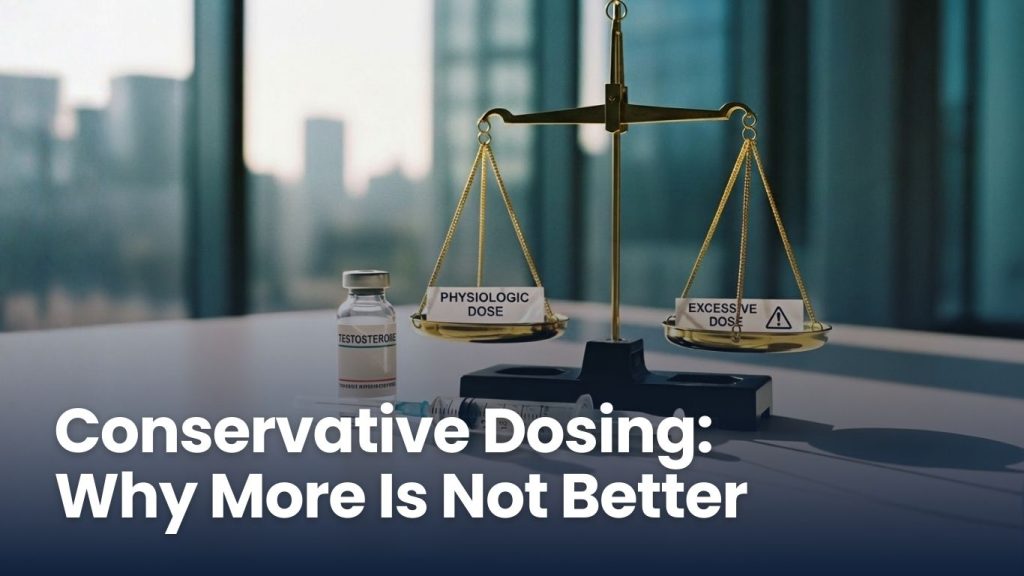
Conservative Dosing: Why More Is Not Better
One of the biggest mistakes in testosterone therapy is aggressive dosing aimed at “optimization” rather than restoration.
The goal of TRT is not to maximize testosterone levels. It’s to restore them to a physiologic range that supports normal function while minimizing risk.
This means:
- Starting with conservative doses
- Adjusting gradually based on symptom response and lab results
- Respecting individual variation in metabolism and sensitivity
- Avoiding the trap of constantly chasing higher numbers
Men metabolize and respond to testosterone differently. What works for one person may be excessive, or insufficient for another. Personalization and patience matter more than protocol rigidity.
Testosterone Therapy and Metabolic Health
Beyond symptoms like low energy and reduced libido, testosterone plays an important role in metabolic function.
Low testosterone is associated with:
- Increased visceral body fat
- Insulin resistance and type 2 diabetes risk
- Reduced bone density
- Higher rates of metabolic syndrome
TRT may help improve:
- Body composition when combined with resistance training
- Insulin sensitivity in some men
- Bone mineral density over time
- Overall metabolic health markers
However, these benefits are not automatic. They require continued attention to diet, exercise, stress management, and sleep. Testosterone supports these efforts. It doesn’t replace them.

Rethinking Masculinity After 50: Capability, Not Youth
For many men, the hardest part of considering TRT isn’t the medical decision. Men have been notorious for keeping emotional weight to themselves.
Struggling with energy, mental clarity, or sexual function can feel like a threat to what makes you, you. There’s often embarrassment, frustration, and the nagging question: “Am I just refusing to accept that I’m getting older?”
Masculinity at this stage of life isn’t about dominance, aggression, or reclaiming youth. At this stage more men are focused on:
- Capability: Being able to engage fully in work, relationships, and physical activity
- Reliability: Showing up consistently for the people who depend on you
- Presence: Staying mentally and emotionally engaged
- Independence: Maintaining autonomy and function as you age
Testosterone therapy, when medically appropriate, supports those qualities. It doesn’t redefine who you are, it helps you stay who you’ve always been: present, capable, and engaged.
Is Testosterone Therapy Right for You?
The decision to start TRT should be based on:
- Confirmed low testosterone levels through multiple blood tests (not a single result)
- Symptoms that meaningfully impact quality of life and aren’t explained by other conditions
- Realistic expectations about what therapy can and cannot achieve
- Willingness to commit to ongoing monitoring and lifestyle optimization
- Discussion with a qualified physician who understands age-related hormone changes
TRT isn’t appropriate for everyone. Some men have symptoms unrelated to testosterone. Others have contraindications that make therapy unsafe. And some simply won’t respond meaningfully to treatment.
That’s not a failure.

The Bottom Line: TRT as a Tool, Not a Promise
Testosterone replacement therapy isn’t about reversing age or chasing youth. Supporting the body and mind you have now, can help you remain engaged, capable, and independent.
For some men over 50, properly monitored TRT makes a meaningful difference in:
- Daily energy and endurance
- Mental clarity and mood stability
- Sexual function and confidence
- Physical capability and strength
- Overall quality of life
For others, the benefits are modest or absent, and that’s equally important to acknowledge.
The right decision isn’t about hope or fear. Focus on clear information, honest expectations, and a commitment to doing it responsibly if you move forward.
Testosterone therapy is a tool. Used appropriately, with medical guidance and realistic goals, it can help men maintain dignity, function, and presence as they age.
That’s not about being younger. It’s about staying yourself.
This article is for informational purposes only and does not constitute medical advice. Decisions about testosterone therapy should be made in consultation with a qualified healthcare provider who can evaluate your individual health status, symptoms, and risk factors.