


Expert Guidelines: Optimal Blood Draw Frequency for TRT
Last Updated June 2026
Testosterone replacement therapy (TRT) can transform quality of life for men with clinically low testosterone, but sustained success depends on consistent monitoring. Understanding the optimal blood draw frequency for TRT is crucial to verifying that therapy remains effective and safe, preventing avoidable issues such as rising red blood cell counts or changes in prostate health. This guide outlines evidence-based blood draw schedules for every stage of therapy, from initial evaluation to long-term follow-up. Whether you’re testing through TRT Nation’s national lab network or using an authorized local draw site, understanding your optimal testing timeline maintains precision, safety, and stable results.
For men navigating the journey of hormone optimization, few tools are as powerful, or as frequently overlooked, as the blood draw. Testosterone replacement therapy works by restoring physiological hormone levels that have declined due to age, medical conditions, or lifestyle factors, but the human body is a dynamic system. What works well at month one may require adjustment at month six. What looks optimal on paper may feel different in practice. Lab work is the bridge between subjective experience and objective clinical data.
Equally important is the timing and consistency of blood draws relative to injection schedules. A testosterone level measured 24 hours after an injection tells an entirely different story than one measured at the trough point, just before the next dose. This guide establishes clear protocols not just for what to test, but when and how often, because in hormone optimization, the quality of the data is just as important as the data itself.
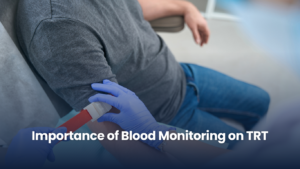
Importance of Blood Monitoring in TRT
TRT restores hormonal balance and relieves symptoms of deficiency such as fatigue, mood changes, and low libido. Because testosterone influences multiple body systems, including blood viscosity and prostate function, structured monitoring protects long-term health.
Routine blood panels safeguard patients by:
- Confirming the initial diagnosis and suitability for treatment
- Measuring therapeutic outcomes and guiding adjustments
- Detecting early signs of PSA changes
Clinical standards consistently prioritize routine lab work before, during, and after TRT to keep results within safe and effective targets.
 Baseline Testing Before Starting TRT
Before treatment begins, clinicians establish a full laboratory baseline. These metrics confirm a true deficiency, identify contraindications, and support an individualized treatment plan. These pre-treatment labs set the baseline for accurate, data-driven dosing adjustments later, an approach built into TRT Nation’s onboarding process.
Essential Baseline Tests
| Test | Purpose |
| Total Testosterone | Confirm low T levels |
| Complete Blood Count (CBC) | Evaluate hematocrit and hemoglobin |
| PSA | Screen for prostate issues |
| Estradiol | Measures estrogen in body |
 Initial Follow-Up After Therapy Initiation
Starting testosterone replacement therapy marks the beginning of a carefully managed process, not a one-time clinical decision. The weeks and months following initiation are among the most important in the entire treatment journey. As exogenous testosterone enters the system and the body begins adapting to new hormonal input, a structured follow-up schedule ensures that therapy is achieving its intended goals while identifying any early physiological changes that may require adjustment. Missing or delaying these early labs is one of the most common, and most consequential, mistakes men make.
Recommended Timeline: Blood Draw Frequency for TRT
- First Follow-Up: 10 weeks after starting treatment
- Second Follow-Up: 6 months after first 10-week labs
- Ongoing Follow-Ups: Annually after 6-month labs
It is worth noting that annual monitoring represents a minimum standard for stable patients, not a ceiling. Men who experience protocol changes, new symptoms, significant health events, or notable lifestyle shifts, including major changes in body weight, exercise habits, or medication use, should return to more frequent monitoring as circumstances require. TRT Nation’s team evaluates each patient’s monitoring needs on an individualized basis, recognizing that the right follow-up schedule is ultimately the one that keeps the patient both safe and informed at every stage of their therapy.

Ongoing Monitoring During Stable Therapy
Reaching a point of hormonal stability is a significant milestone in any TRT journey, but it is a beginning, not an ending. Once therapy has been dialed in and confirmed through early follow-up labs, the monitoring schedule becomes less intensive by design. This shift reflects clinical confidence in an established protocol, not a reduced commitment to oversight. Bloodwork occurs less frequently, but its importance does not diminish. Long-term lab monitoring confirms that therapeutic targets are being maintained, identifies gradual physiological changes before they become symptomatic, and ensures that therapy continues to align with a patient’s evolving health profile. Age, body composition, activity level, and comorbid conditions all shift over time, and annual bloodwork creates the structured, documented record that allows clinicians to make proactive adjustments rather than reactive ones.
- Total testosterone
- CBC
- PSA
- E2
While annual monitoring is the appropriate standard for stable patients, certain circumstances call for a prompt return to more frequent testing. TRT is a dynamic therapy operating within a dynamic body, and consistent follow-up at every stage is what keeps it both optimized and safe over the long term.
Blood Draw Frequency for TRT should increase in frequency if:
- The dose or formulation changes
- New symptoms or side effects appear
This consistent follow-up keeps TRT optimized and safe over time.

Timing Protocols for Accurate Lab Results
Consistent timing is one of the most overlooked variables in TRT monitoring, yet it has an outsized impact on the reliability and interpretability of results. Testosterone levels fluctuate naturally throughout the day, with concentrations typically peaking in the morning and declining through the afternoon and evening. For this reason, morning testing is the standard recommendation for baseline evaluations and most routine follow-ups, it captures levels at their most consistent and physiologically representative point, making results far easier to compare meaningfully across visits.
Beyond time of day, patients should aim to draw blood at the midpoint between injections, avoiding both the peak concentration window shortly after injection and the trough that precedes the next dose. A level drawn at either extreme will reflect a temporary high or low rather than the stable average the body is experiencing, which can lead to unnecessary dose adjustments in either direction. Following the same schedule each time ensures reliable longitudinal comparison.
Understanding your monitoring schedule is one of the most empowering things you can do as a TRT patient, but knowledge is only as valuable as the action it inspires. Consistent, well-timed bloodwork is the foundation of therapy that remains safe, effective, and precisely calibrated to your individual physiology for the long term. Whether you are considering TRT for the first time or looking to take a more informed approach to your existing protocol, the path forward starts with an honest assessment of where you are today. Take the Hormone Readiness Assessment to find out whether TRT may be right for you, or read real patient outcomes to see how optimized monitoring and personalized care have made a measurable difference in the lives of men just like you.

Frequently Asked Questions (FAQS)
How often should blood work be done on testosterone therapy?
During the first year of therapy, blood work is typically recommended 10 weeks after starting treatment, and six months thereafter, to closely monitor how the body responds to treatment and allow for timely dosage adjustments as levels stabilize. Once a consistent and well-tolerated protocol has been established, monitoring frequency generally shifts to every 12 months under provider supervision. TRT Nation builds individualized testing schedules into every patient’s care plan, ensuring that no critical monitoring window is missed regardless of where a patient is in their therapy journey.
When is the first follow-up blood test after starting TRT?
The first follow-up blood test is typically scheduled 10 weeks after therapy initiation, once testosterone levels have had sufficient time to reach a true steady state and the body has begun adapting to the new hormonal environment. Drawing labs too early can produce misleading results that reflect a system still in transition rather than one fully stabilized on the protocol. TRT Nation providers use this first follow-up as a key clinical checkpoint, reviewing both lab values and patient-reported symptoms together to confirm that the chosen protocol is delivering the intended results.
What labs should be included in TRT blood draws?
Total testosterone, CBC, and PSA form the essential core of any TRT monitoring panel, providing insight into hormone levels, red blood cell response, and prostate health respectively. Estradiol, metabolic panels, lipid profiles, and liver enzymes are added when clinically appropriate, particularly as therapy progresses or when new symptoms arise between scheduled visits. TRT Nation’s standard panels are designed to capture all clinically relevant markers at each stage of therapy, removing the guesswork from what to test and when.
Should testosterone labs be done in the morning?
Yes. Morning testing is strongly recommended for TRT monitoring because testosterone levels follow a natural diurnal rhythm, peaking in the early morning hours and declining through the afternoon and evening. Drawing blood at a consistent time of day, ideally before 10 a.m., ensures that results reflect the most stable and physiologically representative hormone concentrations and remain reliably comparable across visits over time. TRT Nation advises all patients on proper draw timing as part of their onboarding process, helping to protect the integrity of every lab result from the very first test.