


25 High-Protein Snacks for Women on Their Tirzepatide Weight-Loss Journey
Last Updated June 2026
Women using tirzepatide for weight loss often experience reduced appetite, which can make it difficult to meet daily protein needs. This is one of the medication’s most celebrated effects, but also one of its most nutritionally complex. When hunger signals quiet down, eating enough throughout the day becomes a conscious effort rather than an instinct. And while consuming fewer calories is part of the goal, undereating protein is a pitfall that can quietly undermine your results. Maintaining protein intake is vital for preserving lean muscle, supporting stable energy, and preventing fatigue or nutrient loss. High-protein snacks offer a simple, effective way to bridge this gap, keeping metabolism strong without overwhelming the digestive system.
High-protein snacks offer a practical, low-pressure way to close the protein gap. They’re easy to portion, gentle on a sensitive stomach, and flexible enough to fit around a schedule that may no longer be anchored by hunger cues. The right snack at the right time can protect muscle, stabilize blood sugar, sustain energy, and prevent the kind of nutrient depletion that makes weight loss feel more draining than empowering. Continue reading to learn strategies to maintain energy and protect muscle while on GLP-1 and GIP therapies like tirzepatide. This list of 25 high-protein snacks highlights convenient, satisfying choices that align with tirzepatide’s unique nutritional demands.
 Why High-Protein Snacks Matter on Tirzepatide
Tirzepatide is a GLP-1 and GIP receptor agonist that reduces appetite and supports weight loss by improving insulin sensitivity and delaying gastric emptying. For many women, this means eating smaller meals and sometimes eating less overall. That’s where high-protein snacks become essential.
Protein-based snacks help to:
- Preserve lean muscle mass during calorie reduction.
- Stabilize blood sugar, reducing fatigue and energy dips.
- Increase satiety, helping control cravings when appetite is unpredictable.
| Key Role of Protein | Benefit for Tirzepatide Users |
| Lean mass preservation | Prevents muscle loss during rapid fat loss |
| Satiety and fullness | Extends satisfaction between smaller meals |
| Blood sugar regulation | Smooths out insulin response and prevents crashes |
| Hormone balance | Supports overall metabolic function |
 How Much Protein Should You Aim for Per Snack?
A “high protein” snack typically provides at least 10 grams of protein. For women on tirzepatide, a practical target is 15–25 grams per main snack and 8–12 grams for lighter bites. Keeping protein steady throughout the day supports recovery, hormone stability, and consistent fat loss.
| Snack Example | Typical Protein | Comments |
| 1 cup Greek yogurt | 16–25g | Excellent calcium source |
| 2 hard-boiled eggs | 12g | Portable and filling |
| 1 scoop whey isolate | 25g | Ideal quick-digesting option |
| 3 oz chicken breast | 20–25g | Lean and versatile |
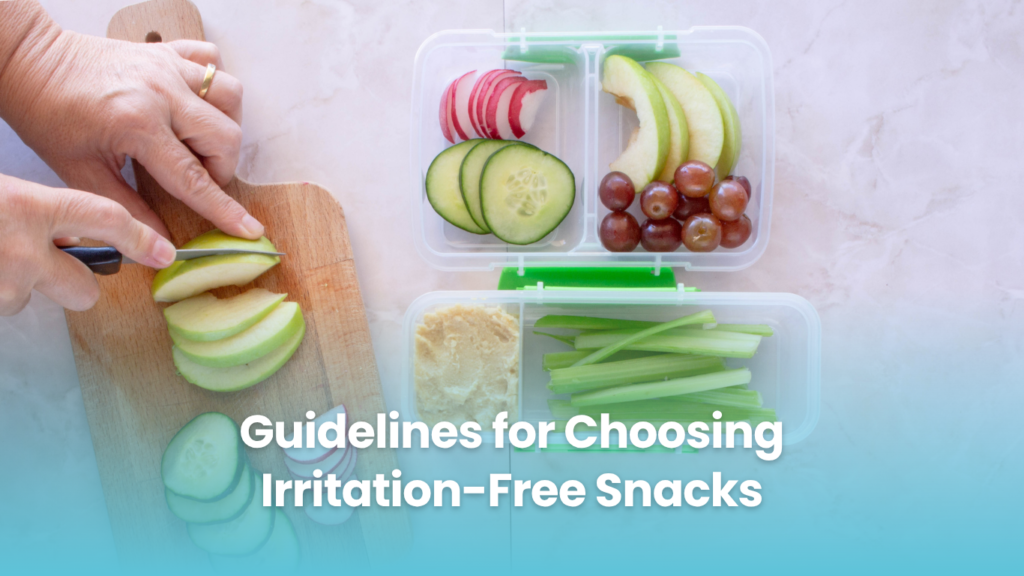 Guidelines for Choosing Irritation-Free Snacks
Digestive sensitivity can accompany tirzepatide therapy, especially early in treatment. To minimize discomfort:
- Avoid snacks with excessive sugar alcohols or fibers like inulin or chicory root, which may cause bloating.
- Test new protein bars or shakes one at a time to gauge tolerance.
- Choose simple, whole-food proteins like eggs, fish, cottage cheese, or tofu, which are typically better tolerated.
- TRT Nation clinicians often encourage starting with gentler proteins and adjusting frequency as appetite normalizes.
- Carbs are not the enemy; add in fiber-rich carbohydrates for a well-balanced diet.
 25 High-Protein Snack Options
- Whey Isolate Mixed with Water
Fast-absorbing and light on the stomach, whey isolate provides 25–30g of protein per scoop with minimal calories. It digests quickly and works well when appetite is low, or a simple hydration option is needed.
- Ready-to-Drink Whey Shake
A pre-made shake delivers 20–30g of protein in a portable bottle. It’s ideal post-workout or between meetings when you need nutrient density without prep time.
- Canned Tuna or Salmon Pouches
With 20–30g of protein and healthy omega-3s, these shelf-stable pouches are travel-friendly and easy to portion. Choose olive oil or water-packed versions for clean energy and flavor.
- Cottage Cheese
At around 25g of protein per cup, cottage cheese is both filling and mild. Mix with fruit or savory toppings like sliced cucumber or herbs for variety.
- Greek Yogurt
Plain, nonfat Greek yogurt offers 17–20g protein per 6–7 oz serving. It’s calcium-rich and helps sustain fullness between smaller meals.
- Hard-Boiled Eggs
Each egg offers about 6g of protein, making two or three a compact, nutrient-dense snack. Add sea salt or paprika for flavor without heaviness.
- Turkey or Chicken Deli Roll-Ups
Roll slices of deli turkey or chicken for a low-carb wrap containing 10–25g of protein. Add pickles or veggie slices for extra crunch and hydration.
- Beef or Turkey Jerky
A single ounce yields roughly 9g of protein. Select lower-sodium, nitrate-free versions to reduce salt retention while keeping hunger controlled.
- Low-Sugar Protein Bars
Look for bars with 10–20g protein, under 5g sugar, and minimal sugar alcohols. They’re reliable for travel or long workdays, just check labels for digestibility.
- Protein Cookies
Modern protein cookies provide 10–15g of protein but often include added sugars. Use sparingly as a high-protein dessert swap.
- Protein Crisps or Chips
These crunchy, savory snacks supply 15–20g protein per bag with low net carbs. They’re useful when craving texture without excess calories or fat.
- Roasted Chickpeas
¼ cup equals around 6–8g protein plus fiber. Season with paprika or garlic for added variety and crunch.
- Dry-Roasted Edamame
Per ounce, roasted edamame provides 12–14g of protein and fiber. It’s vegan, shelf-stable, and simple to portion for sustained energy.
- Baked Tofu Cubes
Three ounces of baked tofu deliver roughly 9g protein. They refrigerate well and pair with soy sauce or chili flakes for flavor balance.
- Single-Serve Cottage Cheese or Ricotta Bowls
Individual cups provide 12–20g protein per serving. Add berries, herbs, or savory toppings for customized taste and texture.
- Nut Butter with Apple or Celery
Two tablespoons of nut butter yield 6–8g protein. Select no-sugar-added versions and pair with produce for a balanced, convenient bite.
- Pumpkin Seeds or Seed-Based Trail Mix
An ounce of pumpkin seeds supplies 8–9g protein plus magnesium and zinc. Combine with quinoa crisps or roasted edamame for added texture.
- Smoked Salmon on Cucumber Rounds
Each serving provides 10–15g protein, hydration, and omega-3s. It’s quick, fresh, and easy to portion for a light snack.
- Sardines or Anchovy Tins
Compact tins deliver 14–18g protein and quality fats. They’re practical, Mediterranean-style snacks ready with no prep.
- Protein Pudding or Yogurt Cups
These creamy cups provide 12–25g protein and work as light, satisfying desserts. Choose reduced-sugar options for optimal digestion.
- Protein Pancakes or Waffles
Made with protein powder, they yield 15–25g protein per serving. Batch-cook and refrigerate for simple reheating.
- Ready-to-Eat Lentil or Bean Snacks
These vegan-friendly options add 8–12g of protein and fiber per portion. Review sodium levels for balance and hydration.
- Single-Serve Salmon or Tuna with Crackers
A complete carb-protein pairing delivering up to 25g protein per portion. Use whole-grain or seeded crackers for texture and satiety.
- Liquid Egg Whites
Pasteurized egg whites give 25g protein per cup with almost no fat. Mix into shakes or cook lightly for easy digestion.
- Collagen and Whey Blend Bites
Blending collagen and whey creates a gentle, chewy texture with 10–15g protein. A solid option for those easing back into higher protein intake.
 Tips for Managing Appetite and Side Effects with Snacks
- Eat smaller, more frequent snacks to prevent nausea from larger meals.
- Focus on protein-dense, low-volume foods.
- Stay hydrated throughout the day.
- If GI symptoms appear, choose egg or dairy-based proteins and reduce fatty or heavily seasoned items.
| Gentle, High-Protein Snack | Approx. Protein | Notes |
| Greek yogurt (plain) | 17g | Soothes digestion |
| Cottage cheese | 20g | Easy to portion |
| Scrambled egg whites | 20–25g | Light and low-fat |
| Baked tofu cubes | 9g | Vegan and neutral flavor |
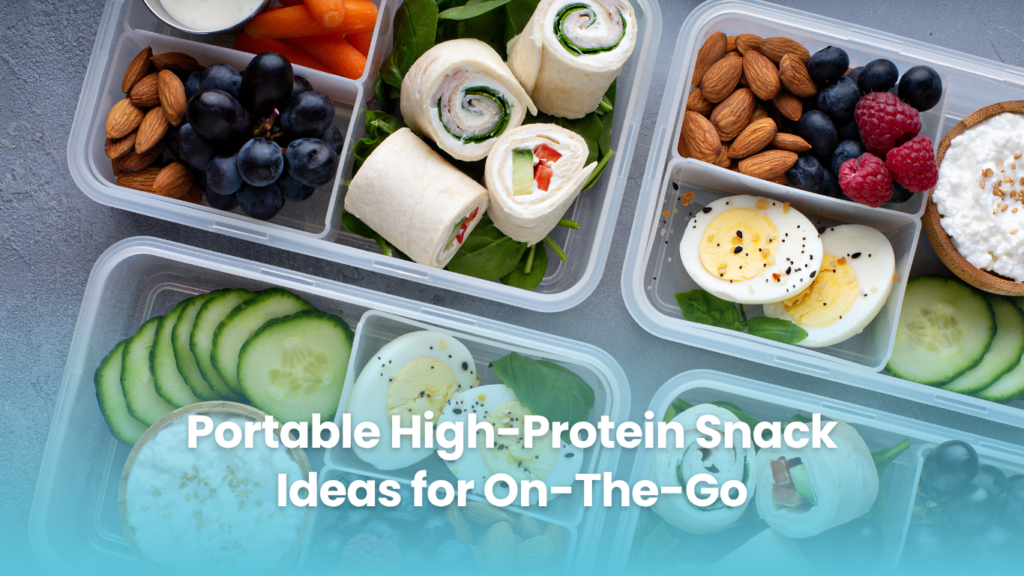 Portable High-Protein Snack Ideas for On-The-Go
Shelf-stable, travel-ready snacks help maintain consistency while traveling or working long hours:
- Jerky or turkey sticks
- Tuna or salmon pouches
- Protein bars or crisps
- Roasted chickpeas or edamame
- Nut and seed mixes
Pre-pack into single-serve containers for simplicity. While protein bars cost more per serving, the portability helps maintain compliance, a key factor TRT Nation emphasizes for steady results. Find more recipes to cycle into your meal preparation on tirzepatide.
 How to Incorporate Snacks into Your Tirzepatide Meal Plan
Distribute protein evenly across meals and snacks for the best metabolic outcomes. A balanced daily structure might include:
- Mid-morning: Greek yogurt or egg bites
- Afternoon: Tuna pouch or protein shake
- Post-workout: Cottage cheese or protein bar
This steady intake maintains muscle mass and promotes consistent hunger control. For structured meal planning and physician-guided support, review TRT Nation’s Tirzepatide Weight-Loss Guide for Women. If you are early in your weight loss journey and are curious if you qualify for medical weight loss, take the free Medical Weight Loss Assessment by TRT Nation.
Frequently Asked Questions (FAQS)
How much protein should women on tirzepatide consume daily and per snack?
Most women on tirzepatide benefit from roughly 15–25g of protein per snack and between 60–100g per day in total, though exact needs vary based on body weight, activity level, and treatment goals. Spreading intake across small, frequent snacks is often more manageable than hitting large targets in a single sitting. TRT Nation physicians work closely with patients to dial in personalized protein targets as part of a comprehensive tirzepatide plan.
What are gentle high-protein snacks that minimize nausea and digestive upset?
During the adjustment period, softer and more easily digested options like Greek yogurt, cottage cheese, baked tofu, and hard-boiled eggs tend to be the most well-tolerated choices. Eating slowly, keeping portions small, and avoiding snacks high in fat or fiber can also reduce the likelihood of nausea. If digestive discomfort persists, TRT Nation’s care team can help identify whether dietary adjustments or dosage considerations may offer relief.
Can high-protein snacks help preserve muscle during tirzepatide weight loss?
Yes. Consistent protein intake is one of the most important strategies for protecting lean muscle mass as body fat decreases on tirzepatide. Without sufficient protein, the body may turn to muscle tissue for fuel, which can slow metabolism and reduce the quality of your results. TRT Nation providers factor muscle preservation into every patient’s nutrition guidance to ensure weight loss stays sustainable and body composition improves over time.
Are dairy-based snacks like Greek yogurt and cottage cheese recommended on tirzepatide?
Dairy-based snacks are often an excellent fit for women on tirzepatide, offering a high-protein, satisfying option that’s typically gentle on digestion and quick to prepare. They also provide calcium and other micronutrients that support overall health during caloric restriction. TRT Nation can help you determine whether dairy fits your individual plan, particularly if lactose sensitivity is a concern.
What should I avoid in protein bars and snacks to prevent gastrointestinal discomfort?
Ingredients like sugar alcohols, inulin, and chicory root, commonly found in low-carb protein bars, are frequent culprits behind bloating and GI distress, which can be amplified while on tirzepatide. Reading ingredient labels carefully and opting for whole-food-based snacks when possible, can make a meaningful difference in how you feel day to day. TRT Nation’s team can recommend specific products and snack strategies that align with your digestive tolerance and weight loss goals.