


Low T Symptoms in Dads
Last Updated September 2026
Somewhere between diaper changes and school pickups, a lot of dads notice something is off. Energy dips lower than it once did. Motivation for the gym fades. Mood swings feel less about the toddler in the room and more about how you are feeling day-to-day. These low T symptoms are more common in fathers than most men expect, and they rarely show up all at once. TRT Nation has spent years helping men recognize these changes and figure out what to do next, and this guide walks through the low T symptoms dads should know, what tends to cause them, and what a path forward can look like.
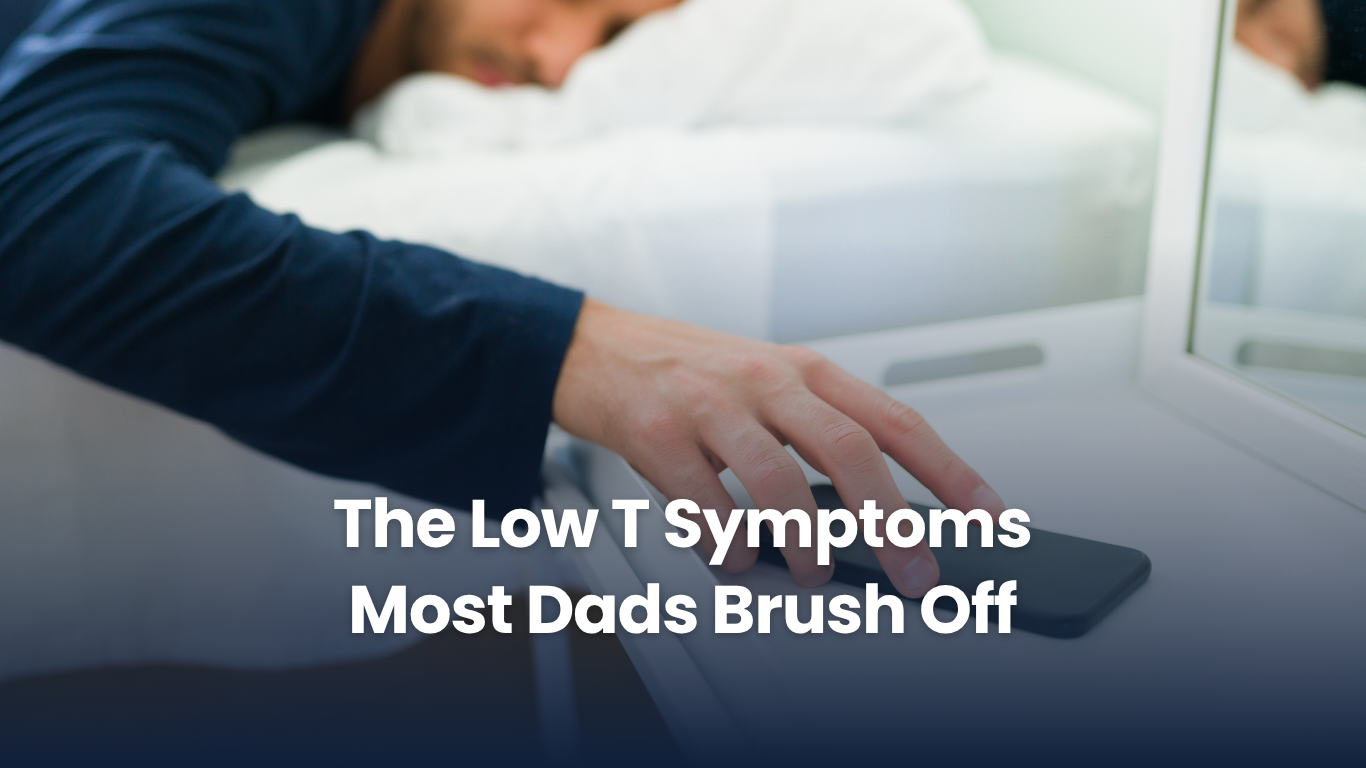 The Low T Symptoms Most Dads Brush Off
Low T symptoms often get blamed on stress, parenting, or just getting older. That overlap is part of why they go unnoticed for so long. According to the Mayo Clinic, testosterone plays a role in energy, mood, muscle mass, and sex drive, so a drop can show up in more places than expected. The most reported low T symptoms include:
- Persistent fatigue that sleep does not seem to fix
- Lower sex drive or a harder time staying interested
- Mood changes, irritability, or a shorter temper
- Trouble building or keeping muscle
- Weight gain, especially around the midsection
- Brain fog or trouble concentrating
- Sleep that feels lighter or less restful
Several of these low T symptoms showing up together, especially when they stick around for weeks or months, are worth a closer look.
 Why Fatherhood Seems to Bring These Symptoms on Faster
Testosterone naturally declines with age. The Endocrine Society notes that levels can drop by roughly one percent a year for many men after age thirty. Fatherhood tends to layer extra pressure on top of that natural decline. Interrupted sleep added financial responsibility, less time for exercise, and the mental load of raising kids can all push hormone levels lower and make low T symptoms more noticeable sooner than they might otherwise appear.
Weight gain adds another layer to the pattern. The Urology Care Foundation points out that extra body fat can lower testosterone further, creating a cycle that is hard to break through diet and exercise alone. Recognizing that this is a hormonal pattern rather than a personal failing is often the first step that dads take before looking into support through TRT Nation.
 What a TRT Path for Dads Looks Like
Once low testosterone symptoms are confirmed with bloodwork, treatment typically follows a consistent order. Continue reading to learn more about the TRT Nation process. The quick overview looks like:
| Step | What Typically Happens |
| 1. Bloodwork | Testosterone and related levels are measured |
| 2. Provider Review | A provider reviews the results alongside reported symptoms |
| 3. Personalized Plan | A treatment plan is built around individual levels, health history, and goals |
| 4. Ongoing Monitoring | Levels are rechecked periodically and the plan is adjusted as needed |
Dads who are still building their family sometimes worry that TRT could affect fertility, and that concern is valid since testosterone replacement therapy can suppress natural sperm production. For men where fertility is a deciding factor, enclomiphene is often discussed as an alternative that supports the body’s own testosterone production without the same fertility tradeoff. A provider led review can help determine which option fits a specific situation. Men who want a starting point can take the hormone readiness assessment to get a sense of where their levels may stand before going further.
Timelines vary widely from one man to the next, and no two responses to treatment look identical. Many men report noticing changes in energy or mood within the first several weeks, though individual results depend on starting levels, consistency, and overall health, so it is worth treating any timeline as a general pattern rather than a guarantee.
 Frequently Asked Questions
What are the most common low T symptoms in dads?
The most reported low T symptoms include ongoing fatigue, lower sex drive, mood changes, and trouble maintaining muscle. Weight gain and disrupted sleep often show up alongside these changes as well. TRT Nation’s blog covers these symptoms in more detail for dads trying to connect the dots.
Can low T affect fertility for dads who want more children?
Yes, low testosterone itself can affect fertility, and some treatments for low T symptoms can affect sperm production too. This is why fertility goals are usually discussed early, sometimes leading to options like enclomiphene instead of standard TRT. TRT Nation factors fertility plans into how treatment paths are built.
How are low T symptoms diagnosed?
Diagnosis typically starts with bloodwork to measure testosterone levels, alongside a conversation about symptoms and history. According to the Cleveland Clinic, a single low reading is usually not enough on its own, so repeat testing is common. TRT Nation’s provider led process begins with this same bloodwork first approach.
Is TRT the only option once low T symptoms show up?
No, options can include lifestyle changes, other medications like enclomiphene, or standard TRT depending on goals and lab results. The right path depends on factors like fertility plans, symptom severity, and overall health. TRT Nation reviews these options individually rather than defaulting to one treatment for everyone.
How long does it take to notice a difference after starting treatment?
Timelines differ from person to person, and many men report early changes in energy or mood within the first several weeks. Other changes, like shifts in muscle or body composition, tend to take longer and depend on consistency. TRT Nation encourages ongoing monitoring so adjustments can be made along the way.