


What Is TRT and How Does It Work?
Last Updated July 2026
Something feels different. Maybe mornings take longer to shake off, motivation feels quieter than it once did, or the mirror shows a version of you that does not quite match how you feel inside. You might find yourself asking what is TRT and how does it work? These changes are common among men as testosterone levels shift with age, stress, and lifestyle, and TRT has become one of the most talked about paths toward feeling like yourself again.
This guide breaks down what TRT is, how it works inside the body, and a few subtle signs that often go unnoticed before a man decides to investigate it. Along the way, we will point to trusted medical resources and show how TRT Nation approaches testosterone care for men.
 What Is TRT?
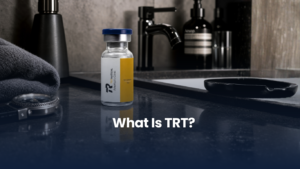
TRT, short for testosterone replacement therapy, is a treatment approach used to restore testosterone to a healthy range when the body is not producing enough on its own. Low testosterone, sometimes called hypogonadism, can affect energy, mood, sleep, muscle mass, and sex drive. According to the Mayo Clinic, testosterone naturally declines with age, though the rate and impact vary widely from man to man.
TRT therapy typically involves:
- Bloodwork to confirm testosterone levels are low
- Reviewing symptoms alongside lab results, not just numbers on a page
- Choosing a delivery method that aligns with lifestyle and goals
- Ongoing monitoring to keep levels balanced over time
The Endocrine Society notes that testosterone therapy is generally recommended for men with both confirmed low levels and symptoms, rather than low levels alone.
 How Does TRT Work?
Once testosterone is confirmed to be low, TRT works by delivering testosterone into the body through one of several methods. Each option raises testosterone levels, but how it is delivered and how often it is needed differs from man to man.
| Method | How It Is Used | What To Expect |
| Injections | Given into muscle, typically every two weeks | Steady rise in levels with dosing |
| Oral Medication | Taken by mouth, daily | Stimulates natural testosterone production |
No single method works best for every man. A provider will typically walk through bloodwork, health history, and personal preference before recommending which form of TRT therapy makes sense. TRT Nation approaches this by pairing lab testing with provider guided plans built around results and goals.
 Common Low Testosterone Symptoms
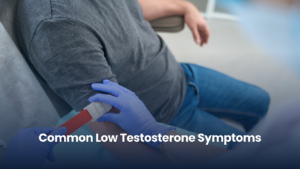
The Fatigue That Sleep Can’t Fix
Feeling tired after a long week is normal. Sleeping eight hours and still dragging through the day is different. This kind of fatigue often shows up quietly, blamed on work, age, or simply having too much going on. But when tiredness sticks around no matter how much rest a man gets, it can be one of the earliest signs that testosterone levels are dropping, and it is often the reason TRT comes up in discussion.
When Focus Starts to Slip
Concentration that used to come easily can start to feel like a chore. Meetings blur together, reading takes longer, and mental sharpness feels just out of reach. Sometimes this is simply stress or poor sleep, and sometimes testosterone is quietly influencing focus behind the scenes, which is part of why TRT is usually paired with a full symptom review rather than lab numbers alone.
Read TRT Nation’s blog to learn how low testosterone might be behind your productivity decline.
The Quiet Drop in Drive
Drive does not always disappear all at once. Sometimes it fades so slowly that a man does not notice until someone else points it out, or until he catches himself feeling flat about things that used to excite him. This can show up in the bedroom, in ambition at work, or in everyday motivation, and when it lines up with other changes, it is worth asking whether testosterone is part of the picture.
Recognizing these signs is one thing. Knowing whether TRT is the right next step is another, and that is where testing and guidance matter. TRT Nation offers a hormone readiness assessment built to help men understand where they stand before committing to any treatment plan.
 Frequently Asked Questions
What is TRT?
TRT, or testosterone replacement therapy, is a treatment used to restore testosterone to a healthy range when levels are low and symptoms are present. It usually involves bloodwork, symptom review, and an ongoing plan to keep levels balanced. TRT Nation builds each plan around specific goals.
How long before I notice results from TRT?
Many men report changes in energy and mood within a six weeks, while other benefits like muscle tone can take longer to appear. Results vary based on starting levels, delivery method, and overall health. TRT Nations providers monitor progress along the way so adjustments can be made as needed.
Is TRT safe?
TRT is considered safe for men with confirmed low testosterone when it is monitored by a provider, according to resources like the Cleveland Clinic. Regular bloodwork helps track how the body responds. TRT Nation includes ongoing monitoring as part of its approach for this reason.
How do I know if I need TRT?
The clearest way to know is through bloodwork paired with a review of symptoms like fatigue, low drive, or mood changes. Testosterone levels alone do not tell the full story, which is why symptoms matter just as much as lab numbers. TRT Nations hormone readiness assessment is a simple starting point for men wondering where they stand.
What happens during a TRT Nation consultation?
A consultation typically starts with reviewing bloodwork, health history, and current symptoms to see whether TRT fits. From there, a provider guided plan is built around personal goals and lifestyle rather than a generic protocol. You can learn more about the process by visiting TRT Nation directly.