


The Ultimate Guide to the Best Testosterone Replacement Therapy Options for Men with Low T Symptoms
Last Updated May 2026
Something feels off. You’re dragging through your days, your motivation has gone quiet, and the drive you used to have feels like a distant memory. Maybe you’ve been brushing it off as stress, age, or just life. But what if it’s something your body is trying to tell you? If you’ve been wondering how to tell if you have low testosterone, you’re in the right place, and you’re not alone.
Low testosterone, often called Low T or hypogonadism, affects millions of men across the United States. Low T affects roughly 2 in every 100 men, with rates increasing significantly after age 40. Yet most men suffer in silence. Many believe, feeling exhausted, foggy, and unmotivated are just part of getting older, but it doesn’t have to be. The first step toward reclaiming your energy and life is understanding the signs. E man deserves to feel like himself again, and it starts with knowing what to look for.
The truth is low testosterone is one of the most underdiagnosed conditions in men’s health today. Many men spend years cycling through explanations, blaming work pressure, relationship stress, or simply “getting older,” when a straightforward blood test could reveal the real answer. Understanding how to tell if you have low testosterone puts the power back in your hands. Knowledge is the starting line, and you’ve already crossed it.
 What Is Low Testosterone?
Testosterone is the primary male sex hormone. Produced mainly in the testes, it drives sexual development, muscle and bone mass, red blood cell production, mood regulation, cognitive function, and overall energy. Starting around age 30, testosterone levels naturally decline by about 1% per year, a gradual drop that many men don’t notice until the effects have quietly compounded over years.
A testosterone level below 300 ng/dL is generally considered low by medical standards, though symptoms vary and some men experience noticeable decline at levels others tolerate well. That’s why understanding how to tell if you have low testosterone means looking at the full picture: your lab numbers and your symptoms together.
It’s also important to understand that low testosterone is not a character flaw or a reflection of how hard you’ve worked or how well you’ve lived. It’s a medical condition with real physiological causes, and real medical solutions. Just as you wouldn’t ignore chronically high blood pressure or low thyroid function, low testosterone warrants the same straightforward, proactive attention. Your hormones are the foundation your health is built on, and when that foundation shifts, everything above it is affected.
 The Most Common Signs of Low Testosterone
The challenge with Low T is that its symptoms overlap with other conditions and with the general wear of daily life. That’s why so many men go years without a diagnosis. But there are clear, consistent signs that, when they appear together, point strongly to low testosterone.
1. Persistent Fatigue and Low Energy
This isn’t ordinary tiredness. Men with low testosterone describe a bone-deep exhaustion that doesn’t improve with sleep. You wake up feeling unrefreshed. The you hit a wall by mid-afternoon. You struggle to find the energy to do things you used to love. Testosterone fuels red blood cell production and metabolic energy, when it drops, your body’s engine runs on fumes. If this sounds familiar, take the free quiz to find out if you might be experiencing low testosterone.
2. Reduced Sex Drive
Testosterone plays a central role in libido. A noticeable drop in your desire for sexual activity, especially if it feels out of character, is one of the most telling signs of low testosterone. This isn’t just about frequency; it’s a shift in how you feel. Men with Low T often experience a significantly more dramatic decline in sex drive than what’s expected from normal aging.
3. Erectile Dysfunction
Testosterone helps the brain trigger the production of nitric oxide, a molecule critical for achieving and maintaining an erection. Low T can make this process unreliable. While erectile dysfunction has multiple causes, low testosterone is a major contributing factor, research suggests that approximately 35% of men with erectile dysfunction have low T levels.
4. Loss of Muscle Mass and Strength
If you’ve noticed that your workouts feel less effective, that you’re losing definition despite consistent effort, or that you’re simply feeling physically weaker, testosterone deficiency could be responsible. Testosterone is essential for muscle protein synthesis, it’s the hormone that tells your body to build and preserve lean muscle. Without adequate levels, muscle loss accelerates even with regular exercise. Learn more about optimizing strength through the TRT Nation muscle growth resources.
5. Increased Body Fat
Low testosterone disrupts the hormonal balance between testosterone and estrogen. This imbalance often leads to increased fat storage, particularly around the belly. This isn’t just a cosmetic concern, abdominal fat is linked to insulin resistance, metabolic syndrome, and cardiovascular risk. If you’re watching your diet and your waistline is still expanding, Low T deserves consideration.
6. Mood Changes, Irritability, and Depression
Testosterone is deeply connected to emotional health. Men with Low T frequently experience irritability, difficulty managing stress, feelings of sadness, low motivation, and a general sense of being off. Testosterone influences the production of serotonin, a neurotransmitter that regulates mood and emotional stability. According to the Urology Care Foundation, mood symptoms combined with reduced sexual function and fatigue form a classic Low T presentation that warrants a clinical evaluation.
7. Brain Fog and Difficulty Concentrating
Testosterone supports cognitive function, including focus, memory, and mental clarity. When levels drop, many men describe a mental fog, the feeling that their sharpness and decisiveness have faded. This can affect work performance, decision-making, and the confidence that comes from feeling mentally on top of your game.
8. Decreased Bone Density
Testosterone helps maintain bone mineral density. Men with prolonged Low T are at increased risk for osteoporosis, a condition that makes bones more fragile and prone to fracture. This symptom is often invisible until a fracture occurs, which is why checking testosterone levels proactively matters.
9. Hair Loss
Testosterone plays a role in body and facial hair production. A noticeable thinning or loss of body hair, separate from typical male-pattern scalp hair loss, can be a sign of declining hormone levels. While genetics influence scalp hair, changes in facial and body hair growth patterns are more directly tied to testosterone.
10. Sleep Disturbances
Low testosterone is associated with disrupted sleep, including difficulty falling asleep, staying asleep, and achieving restorative deep sleep. Poor sleep further suppresses testosterone production, creating a difficult cycle. If you’re waking up unrefreshed regardless of how many hours you spend in bed, your hormonal health deserves a closer look.

Quick Reference: Low T Symptoms
| Symptom | How It Shows Up | Severity (Common) |
| Fatigue / Low Energy | Exhaustion despite adequate sleep | Very Common |
| Reduced Libido | Decreased interest in sex | Very Common |
| Erectile Dysfunction | Difficulty achieving/maintaining erections | Common |
| Muscle Loss | Strength decline, reduced muscle tone | Common |
| Increased Body Fat | Belly fat gain despite normal diet | Common |
| Mood Changes | Irritability, depression, low motivation | Common |
| Brain Fog | Poor focus, memory issues, mental fatigue | Common |
| Bone Density Loss | Increased fracture risk (often silent) | Moderate |
| Hair Loss | Body/facial hair thinning | Moderate |
| Sleep Issues | Insomnia, unrefreshing sleep | Common |
 How Is Low Testosterone Diagnosed?
Knowing how to tell if you have low testosterone doesn’t end with recognizing symptoms. Diagnosis requires a blood test. Here’s what the diagnostic process typically looks like:
- Morning blood draws to measure total testosterone (morning levels are highest)
- If results are borderline or symptoms don’t fully match, free testosterone and SHBG (sex hormone-binding globulin) levels may be checked
- A full evaluation also considers your health history, lifestyle factors, and other potential causes
- Normal total testosterone is generally considered 300–1,000 ng/dL, depending on age, optimal range for men’s health and quality of life may be higher
Not sure where to start? TRT Nation offers a Low Testosterone Quiz that helps you assess whether your symptoms align with low testosterone, it’s a powerful first step before your lab work.
 What Causes Low Testosterone?
Low T isn’t just about getting older. While age is a factor, several other variables can accelerate or contribute to testosterone decline:
- Chronic stress and elevated cortisol (cortisol directly suppresses testosterone production)
- Poor sleep quality (most of the testosterone production occurs during deep sleep)
- Excess body fat (adipose tissue converts testosterone to estrogen)
- Sedentary lifestyle (physical activity directly supports hormone production)
- Poor nutrition, especially diets low in healthy fats and zinc
- Alcohol and substance use
- Certain medications, including opioids, steroids, and some antidepressants
- Underlying health conditions, including type 2 diabetes, metabolic syndrome, and thyroid disorders
Understanding the root causes is part of what makes effective TRT more than just a prescription, it’s a personalized approach to restoring your health from the ground up.
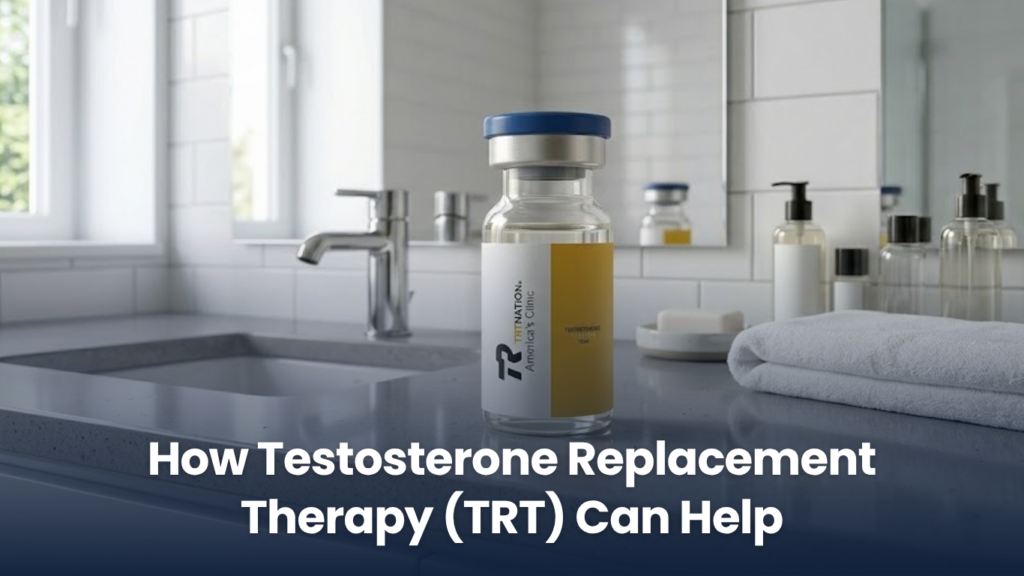 How Testosterone Replacement Therapy (TRT) Can Help
Once you know how to tell if you have low testosterone and you’ve confirmed it with bloodwork, the next question is: what now? For men with confirmed Low T, testosterone replacement therapy (TRT) is a clinically supported treatment that restores testosterone to healthy levels.
Research and real-world outcomes consistently show meaningful improvements across multiple areas of men’s health when TRT is properly administered and monitored:
| Area of Health | Potential TRT Benefit |
| Energy & Vitality | Significant improvement in daily energy and stamina |
| Sexual Function | Improved libido and erectile function |
| Muscle & Strength | Increased lean muscle mass and strength with exercise |
| Mood & Cognition | Reduced depression, irritability, and mental fog |
| Body Composition | Reduced fat, especially abdominal fat |
| Bone Density | Improved bone mineral density over time |
| Sleep Quality | Better sleep architecture and recovery |
Nine out of ten patients report life-changing results within the first three months of therapy, with men describing themselves as feeling physically stronger, mentally sharper, and more present in their lives. This isn’t a shortcut. This is science-backed, physician-guided medicine that gives your body what it needs to function at its best.
 Why Getting Tested Is an Act of Strength
There’s a tendency among men to push through discomfort, to chalk fatigue, mood changes, and declining drive up to stress or “just getting older.” But ignoring the signals your body is sending isn’t toughness. Knowing how to tell if you have low testosterone and doing something about it, that’s what strong men do. Taking care of your health isn’t a sign of weakness. It’s a commitment to showing up fully, for your work, your relationships, your family, and yourself. You deserve to feel the way you’re meant to feel. Start reading. Start learning. Then take the step that changes everything.
Men who seek answers aren’t giving up, they’re leveling up. The men who thrive long-term are the ones who pay attention, ask questions, and act before the problem compounds. Knowing how to tell if you have low testosterone, and then acting on that knowledge, is the kind of decision that ripples outward into every part of your life. Therefore, more energy means more presence. While more drive means more impact. In addition to, more vitality means more of everything that matters to you.
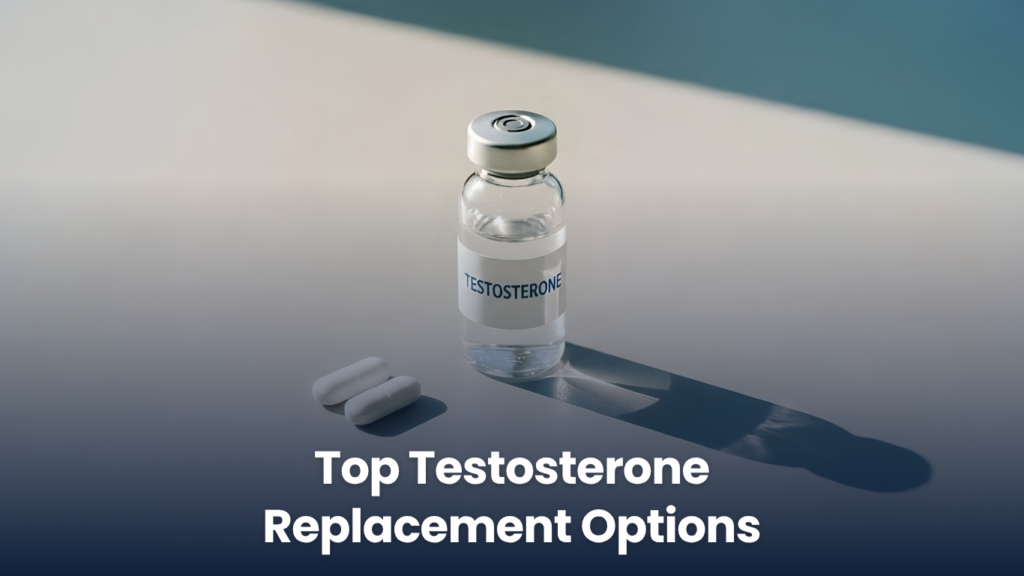 Top Testosterone Replacement Options
When it comes to testosterone replacement therapy (TRT), there is no single “best” product that works for everyone. The right choice depends on individual goals, lab results, lifestyle, and how your body responds to treatment.
Testosterone Replacement Therapy (TRT)
TRT involves directly supplementing testosterone to restore levels to an optimal range. It is typically prescribed for men with clinically low testosterone confirmed through lab testing and symptoms.
Key characteristics:
TRT is generally considered a long-term therapy that focuses on replacing what the body is no longer producing adequately.
Enclomiphene
Enclomiphene is a selective estrogen receptor modulator (SERM) that works by stimulating the body’s own natural testosterone production rather than replacing it.
Instead of supplying external testosterone, enclomiphene signals the brain to increase luteinizing hormone (LH) and follicle-stimulating hormone (FSH), which can help the testes produce more testosterone naturally.
Key characteristics:
Choosing Between TRT and Enclomiphene
The choice between TRT and enclomiphene depends on individual goals, lab values, fertility considerations, and how the body responds to treatment. TRT provides direct hormone replacement, while enclomiphene focuses on stimulating endogenous production.
At TRT Nation, treatment decisions are made based on comprehensive lab work and individualized medical evaluation to determine the most appropriate and effective approach for each patient
 Frequently Asked Questions
What is the most common sign of low testosterone?
The most reported sign is persistent fatigue and low energy that doesn’t resolve with rest, often accompanied by reduced sex drive and mood changes. These three symptoms together are a strong indicator that it’s worth getting your testosterone levels tested. TRT Nation’s clinical team specializes in evaluating these exact patterns and building a plan that addresses your specific needs.
How do I know if my fatigue is from low testosterone or something else?
Fatigue tied to low testosterone tends to be consistent, not event-driven, and is typically paired with other symptoms like reduced libido, mood changes, or muscle weakness. A blood test measuring your total testosterone levels is the only way to confirm Low T as the cause. TRT Nation makes this process straightforward with accessible lab work and physician-guided evaluation from the start.
At what age should men start checking their testosterone levels?
Testosterone decline begins around age 30, and symptoms can emerge gradually through your 30s, 40s, and 50s. Men who experience even a few of the symptoms outlined in this article should consider getting tested regardless of age, Low T is not exclusively an older man’s condition. TRT Nation works with men across a wide age range and tailors every treatment plan to the individual’s biology and goals.
Can I improve my testosterone levels without TRT?
Lifestyle changes including strength training, quality sleep, stress reduction, improved nutrition, and weight loss can support testosterone production, and these are valuable for any man’s health. However, for men with clinically confirmed Low T, lifestyle changes alone are often insufficient to restore levels to a healthy range. TRT Nation’s physicians take a comprehensive approach, helping you optimize both your lifestyle and your hormonal health together.
How do I get started if I think I have low testosterone?
Start by taking TRT Nation’s Low Testosterone Quiz to assess your symptoms, then schedule a consultation with a qualified physician for lab work and evaluation. You don’t have to figure this out alone, TRT Nation’s team is built specifically to guide men through exactly this process, from the first question to the first step toward real results.